Magnetotransduction Therapy (EMTT)

Extracorporeal magnetotransduction therapy at Straits Podiatry

What is Magnetotransduction Therapy (EMTT)?

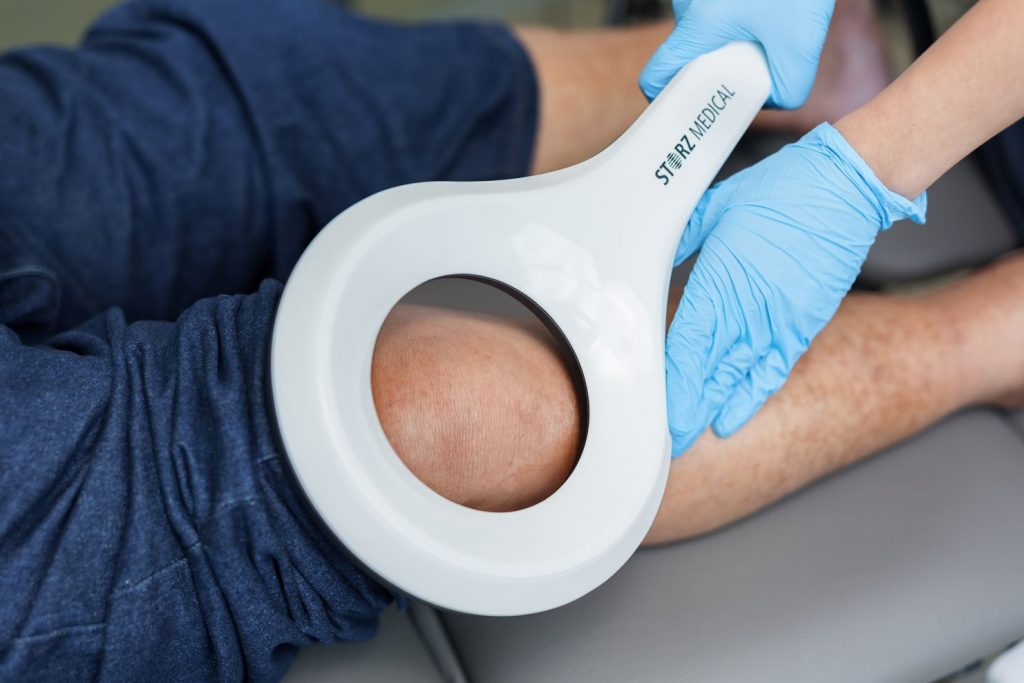
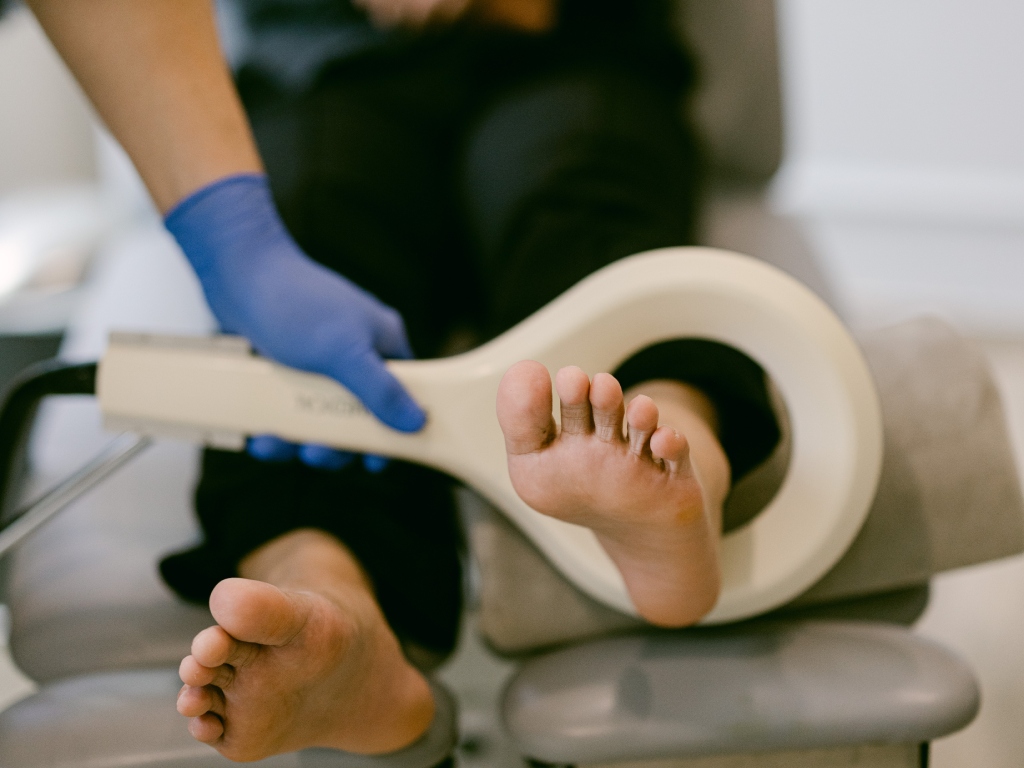
Magnetotransduction therapy or extracorporeal magnetotransduction therapy (EMTT) is a non-surgical therapy device that uses a high-frequency magnetic field to manage various musculoskeletal diseases. EMTT is an advanced form of traditional pulsed electromagnetic field (PEMF) therapy, generating higher energy and deep penetration of up to 18cm.

Benefits of Magnetotransduction Therapy

EMTT is a safe and non-invasive therapy that has no reported side effects. Patients managed with EMTT will generally experience minimal discomfort during treatment and no downtime will be required after the treatment.

The benefits of EMTT include:

  • Regulates cell membrane permeability
  • Regulates inflammation pathway, reduces inflammation
  • Increases cellular reproduction and regeneration
  • Stimulate tissue healing response

Need Help? See Our Podiatrist Today

Conditions Managed with EMTT

Conditions that can be managed with EMTT include:

  • Degenerative Joint Disease (e.g Arthritis, arthrosis, herniated discs, spondyloarthrosis)
  • Sports or musculoskeletal injuries (e.g Achilles tendonitisposterior tibial tendonitis)
  • Chronic pain (e.g low back pain, sciatica, neuralgia)

When Should EMTT be Avoided?

EMTT has no reported side effects and is considered a very safe therapy option. However, as EMTT produces a highly energetic and highly oscillating electromagnetic field, precautions similar to taking an MRI should be taken.

EMTT should be avoided if you have the following:

  • Pregnancy
  • Metal implants that are not suitable for MRI
  • Electrical devices in the body (e.g Pacemakers, hearing aids)
  • Metallic accessories on the body or clothing

Share this with someone you know

Search

You May Also Like

Search

Do You Have A Question? Ask Us...

Categories

You May Also like

About Us

Conditions

Treatments

Feet

Ankle

Leg

Knee

Paediatric Conditions

Rheumatology

Skin & Nails

Diabetic Foot

Heel Pain

Foot Pain

Plantar Fasciitis

Achilles Tendonitis

Flat Feet

High Arch Foot Type

Arch Pain

Bunions

Hallux Rigidus

Sesamoiditis

Plantar Plate Injury

Metatarsalgia

Foot Drop

Tarsal Tunnel Syndrome

Baxter’s Nerve Entrapment

Clawed and Hammer Toes

Heel Spurs

Morton’s Neuroma

Accessory Navicular

Ankle Injuries

Posterior Tibial Tendon Dysfunction

Chronic Ankle Sprain

Acute Ankle Sprain

Talar Dome Injuries

Ankle Impingement

Knee Pain

Runner’s Knee

Jumper’s Knee

Meniscus Tear

Iliotibial Band Syndrome

Knee Osteoarthritis

Children’s Flat Feet

In-toe Walking

Toe Walking

Knock Knees

Paediatric Heel Pain

Juvenile Bunions

Osteochondrosis

Kohler’s Disease

Iselin’s Disease

Osgood-Schlatter Disease

Rheumatoid Arthritis

Gout

Fungal Nails

Plantar Warts

Ingrown Toenails

Fungal Skin

Corns and Calluses

Diabetic Peripheral Neuropathy

Diabetic Foot Ulcers

Peripheral Arterial Disease

Charcot Foot