Meniscus Tear

What is Meniscus tear?

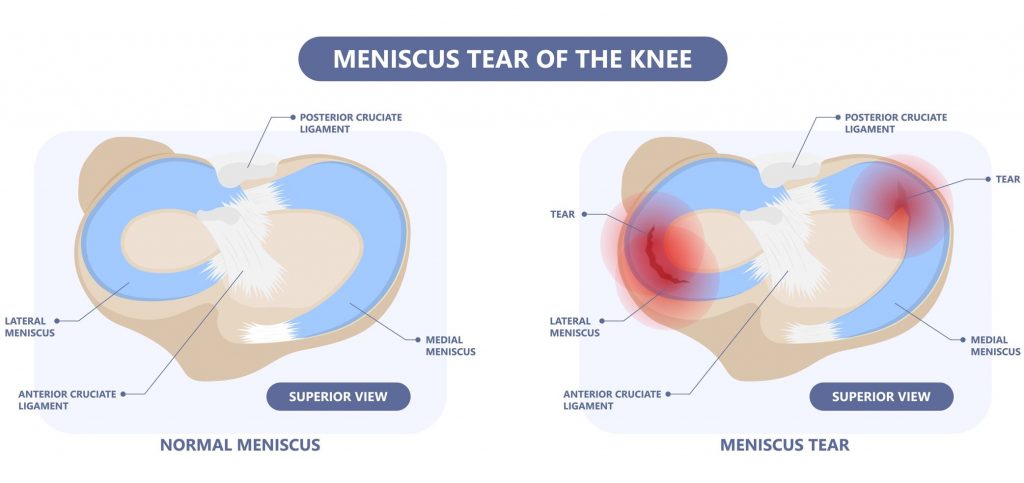
Meniscus tear or injury is a common cause of knee pain in the medial (inside) and lateral (outside) sides of a knee joint. The knee meniscus is fibrocartilage that helps to “cushion” the shock between the thigh and shin bone when weight-bearing and prevents damage to the joint cartilage. 

A meniscus tear can increase the risk of developing knee osteoarthritis if left untreated. It also changes the biomechanics and stability of the knee joint, resulting in an increased risk of developing other knee conditions.

Causes of Meniscus Tear

A meniscus tear usually occurs following a direct trauma, accident involving a twisted knee, or degenerative changes with age. Patients with this condition typically complain of painful, locking sensation in the knee or the knee often “gives way”.

Risk factors of a meniscus tear include:

  • Old age (degeneration of the meniscus)
  • High-impact sports (e.g football, basketball)
  • Direct trauma to the knee
  • Twisting injury to the knee

Need Help? See Our Podiatrist Today

Meniscus Tear Signs & Symptoms

Signs and symptoms of a meniscus tear include:

  • Pain around the medial (inside) and lateral (outside) of the knee 
  • Knee “giving way” when walking
  • Locking, popping and clicking of the knee during movement
  • Swelling of the knee
  • Unable to fully straighten and bend the knee

Meniscus Tear Management in Singapore

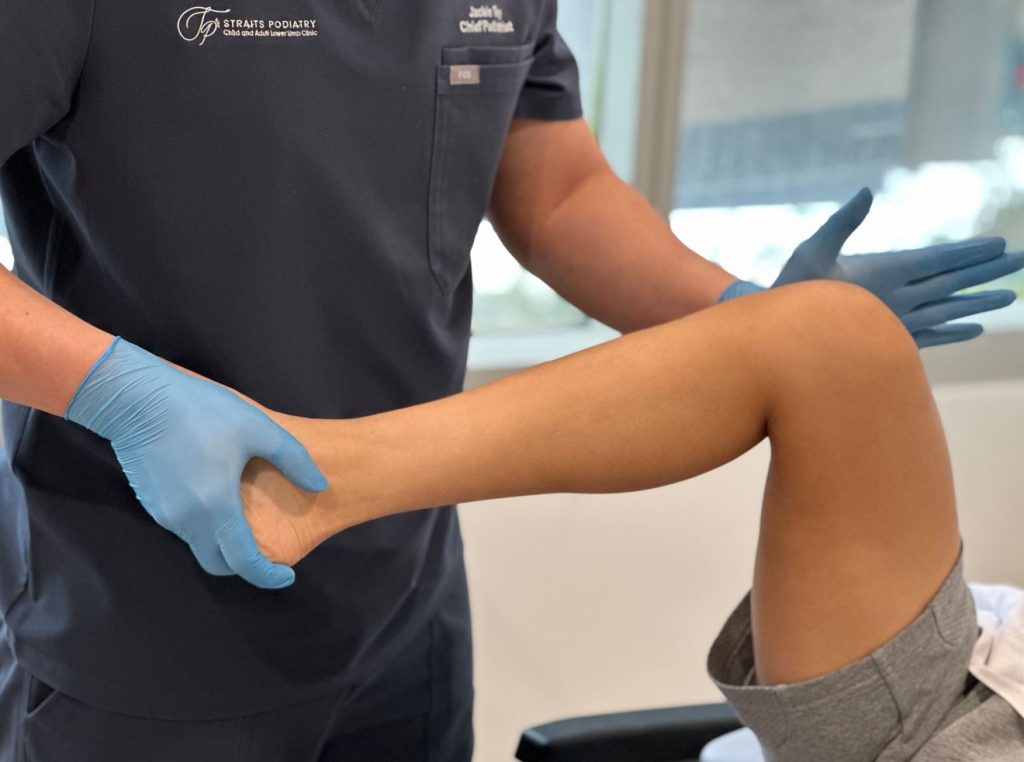
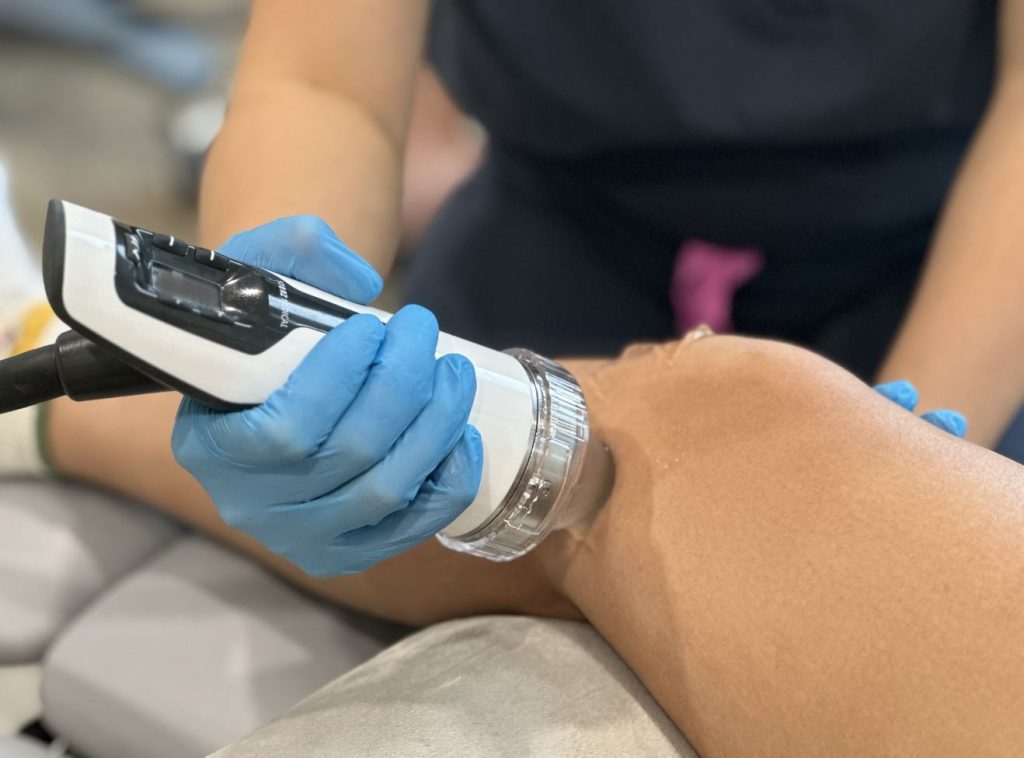
Establishing the extent of meniscus injury is essential as it will determine the knee pain treatment plan. The meniscus is an avascular structure, which means a limited blood supply to allow natural recovery. Stimulating an increase in blood supply can help heal the injury without surgery. 

Treatment options for a meniscus tear in Singapore include:

Share this with someone you know

Search

You May Also Like

Do You Have A Question? Ask Us...

Search

Do You Have A Question? Ask Us...

You May Also like

Categories

Categories

About Us

Conditions

Treatments

Feet

Ankle

Leg

Knee

Paediatric Conditions

Rheumatology

Skin & Nails

Diabetic Foot

Heel Pain

Foot Pain

Plantar Fasciitis

Achilles Tendonitis

Flat Feet

High Arch Foot Type

Arch Pain

Bunions

Hallux Rigidus

Sesamoiditis

Plantar Plate Injury

Metatarsalgia

Foot Drop

Tarsal Tunnel Syndrome

Baxter’s Nerve Entrapment

Clawed and Hammer Toes

Heel Spurs

Morton’s Neuroma

Accessory Navicular

Ankle Injuries

Posterior Tibial Tendon Dysfunction

Chronic Ankle Sprain

Acute Ankle Sprain

Talar Dome Injuries

Ankle Impingement

Knee Pain

Runner’s Knee

Jumper’s Knee

Meniscus Tear

Iliotibial Band Syndrome

Knee Osteoarthritis

Children’s Flat Feet

In-toe Walking

Toe Walking

Knock Knees

Paediatric Heel Pain

Juvenile Bunions

Osteochondrosis

Kohler’s Disease

Iselin’s Disease

Osgood-Schlatter Disease

Rheumatoid Arthritis

Gout

Fungal Nails

Plantar Warts

Ingrown Toenails

Fungal Skin

Corns and Calluses

Diabetic Peripheral Neuropathy

Diabetic Foot Ulcers

Peripheral Arterial Disease

Charcot Foot