
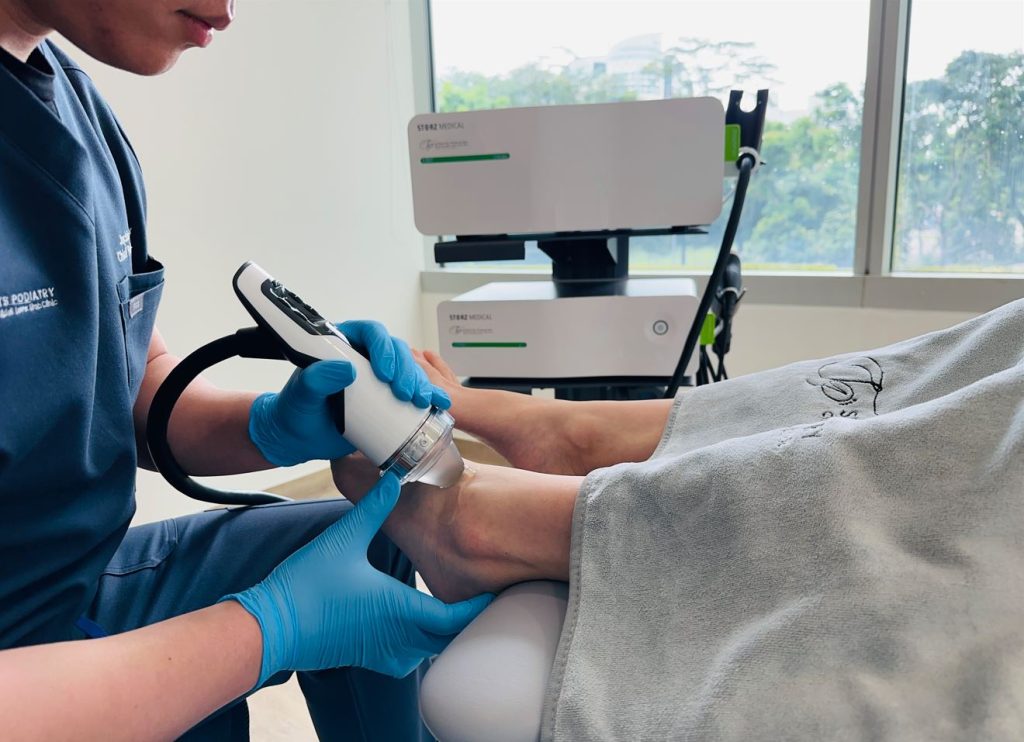

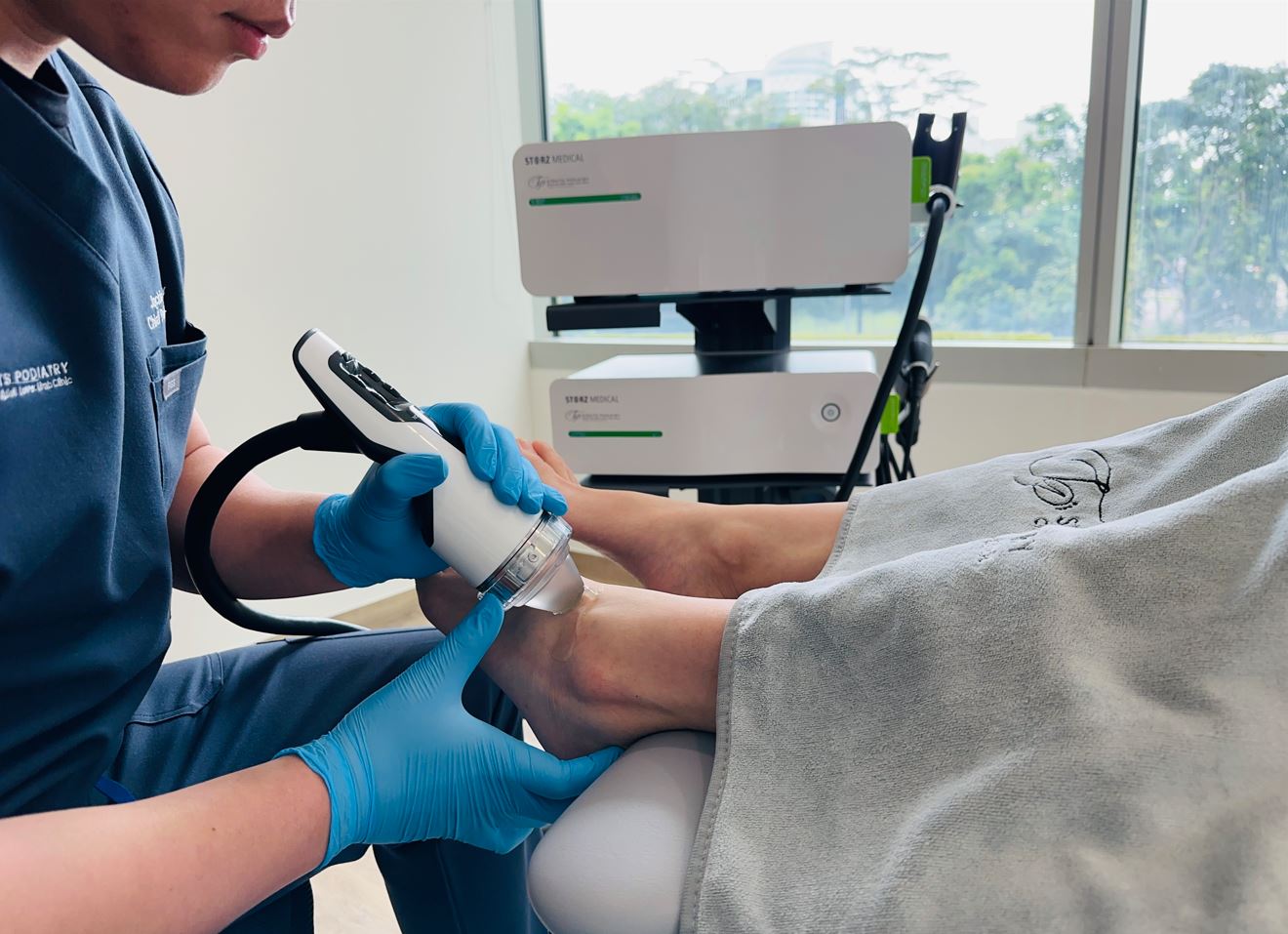




An ankle sprain is a common injury that occurs when the ligaments in the ankle are stretched or torn due to excessive force or pressure. This can happen during physical activities like running, jumping, or sudden changes in direction. Ankle sprains can range from mild to severe, depending on the extent of the injury. Oftentimes, we have seen people seek ankle sprain treatment in Singapore without knowing that they had a fracture.
One of the biggest issues that many people face when they have an ankle sprain is who can help them. Treating an ankle sprain without proper diagnosis can be dangerous and may lead to worse consequences. In this article, we will share with what the symptoms of ankle sprains to look out for, the usual method of diagnosis and treatment, and ways to prevent it.
The symptoms of an ankle sprain may vary depending on the severity of the injury. Among the most common symptoms are:
If you suspect that you have an ankle sprain or twisted your ankle, it is important to seek medical attention as soon as possible. A healthcare provider will examine your ankle and may order X-rays or other imaging tests to determine the extent of the injury. In serious cases, a complete ligament tear or fractures do happen, especially in sprains with severe bruising.
Treatment options for ankle sprains may include:
In severe cases, surgery may be necessary to repair the damaged ligaments. However, to regain proper ankle functions after surgery, rehabilitation is essential. This includes physical therapy, strength and conditioning, and gait training.
While it may not always be possible to prevent ankle sprains, there are some steps you can take to reduce your risk of injury. These include:
If you’ve recently experienced an ankle sprain, seeking proper medical attention from a qualified healthcare provider is important. At Straits Podiatry, we specialize in the diagnosis and management of various foot and ankle conditions, including ankle sprains.
Our team of experienced podiatrists will work closely with you to develop a personalized management plan that meets your unique needs and goals. Depending on the severity, we offer the most appropriate ankle sprain management in Singapore. Management options may include rest, ice, compression, shockwave therapy and magnetotransduction therapy.
At Straits Podiatry, we are committed to helping you achieve optimal foot and ankle health, so you can get back to your daily activities as soon as possible. Contact us today to schedule an appointment and take the first step towards a full recovery.
Don’t let an ankle sprain hold you back – trust the experts at Straits Podiatry to provide you with the care and support you need to get back on your feet. Visit our website at straitspodiatry.com to learn more about our services and schedule your appointment today.
Chief Podiatrist, B.Pod(Hons). Your foot and lower limb specialist passionate about raising awareness for foot and lower limb health.