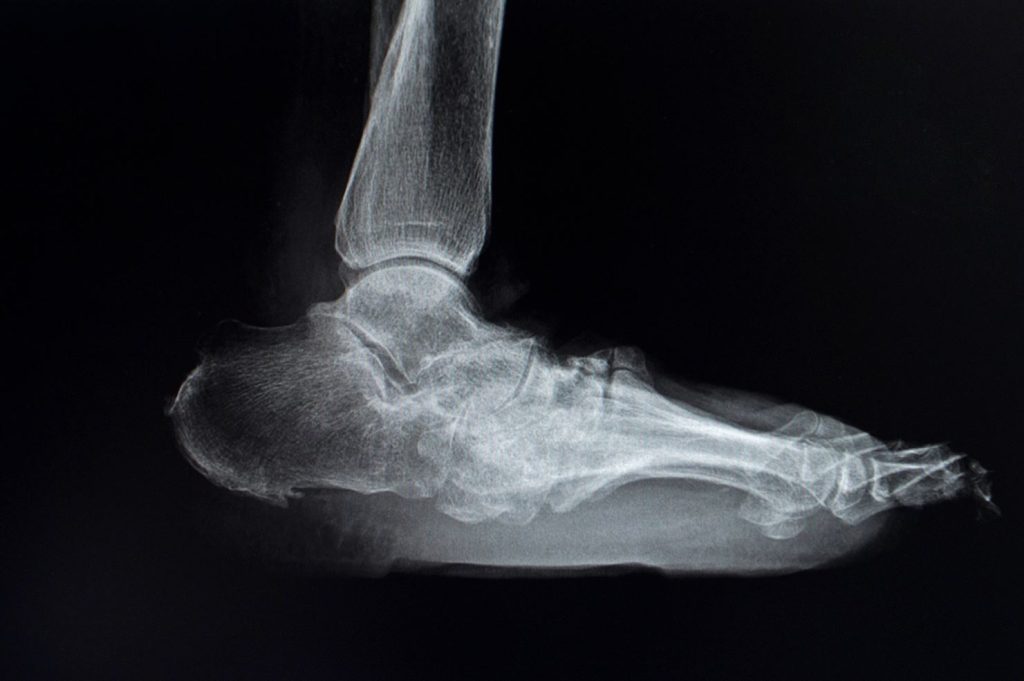
Charcot foot, also known as Charcot neuroarthropathy or Charcot joint, is a progressive disorder characterized by the breaking and dislocation of the bones, joints, and soft tissues in the foot and ankle. It is a severe diabetic foot or neuropathic complication of the foot. The condition often results in deformity, instability, and an increased risk of ulcers or infections. It primarily affects individuals with peripheral neuropathy, especially those with diabetes, which can lead to a loss of sensation in the affected area.
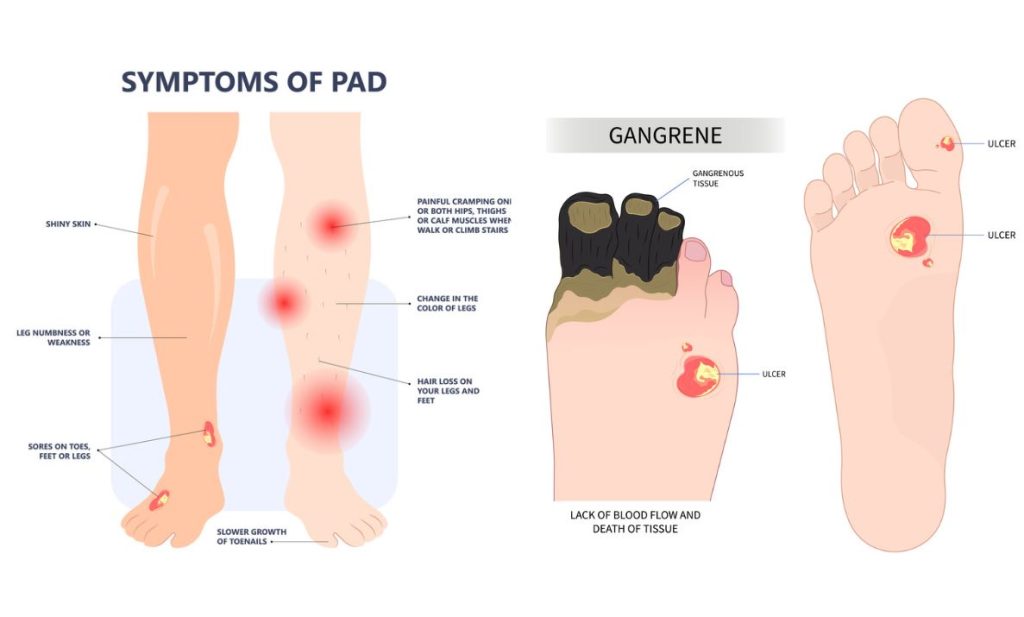
Peripheral arterial disease (PAD) is a common and serious condition affecting the arteries or blood vessels outside the heart and brain, leading to reduced or blocked blood flow. The lower limb (leg and feet) are most commonly affected and can lead to amputations.
People with diabetes have a higher risk of developing PAD because the high blood sugar levels damage blood vessels and impair blood flow. As a result, people with diabetes must manage their condition effectively and be vigilant about potential PAD symptoms.
Diabetic peripheral neuropathy (DPN) results from nerve damage caused by long-standing high blood sugar levels. It is a common complication of both type 1 and type 2 diabetes. DPN primarily affects the nerves in the legs and feet but can also involve the arms and hands. DPN generally develops gradually and may lead to complications that can greatly impact the quality of life.
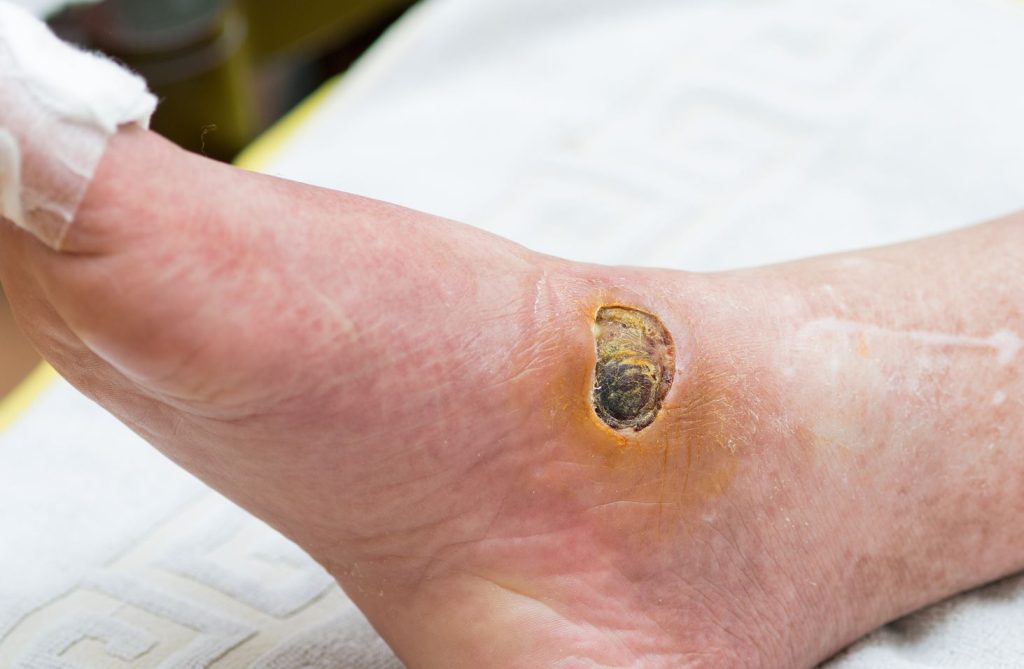
A diabetic foot ulcer is one of the diabetic foot complications resulting in wounds under the foot and is the leading cause of lower limb amputation in Singapore. It is a type of wound that can occur on any area of the feet of individuals with diabetes. Diabetes can cause nerve damage and poor blood flow to the feet, leading to a loss of sensation and slower wound healing. Such damage makes individuals with diabetes particularly vulnerable to foot ulcers, which can become serious if not treated promptly and adequately.