Knee

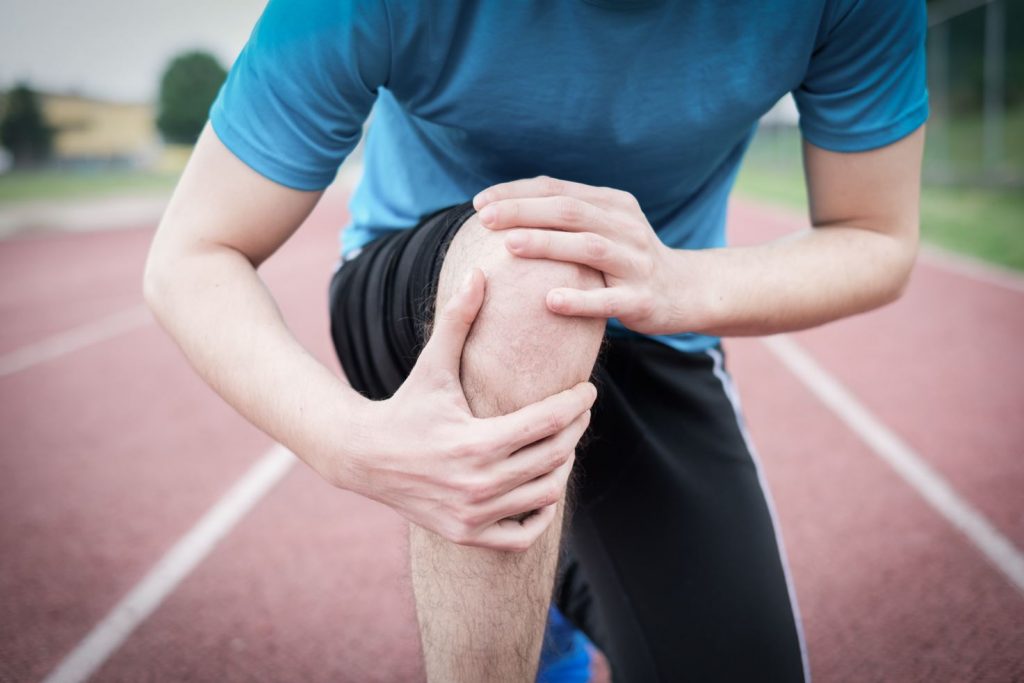
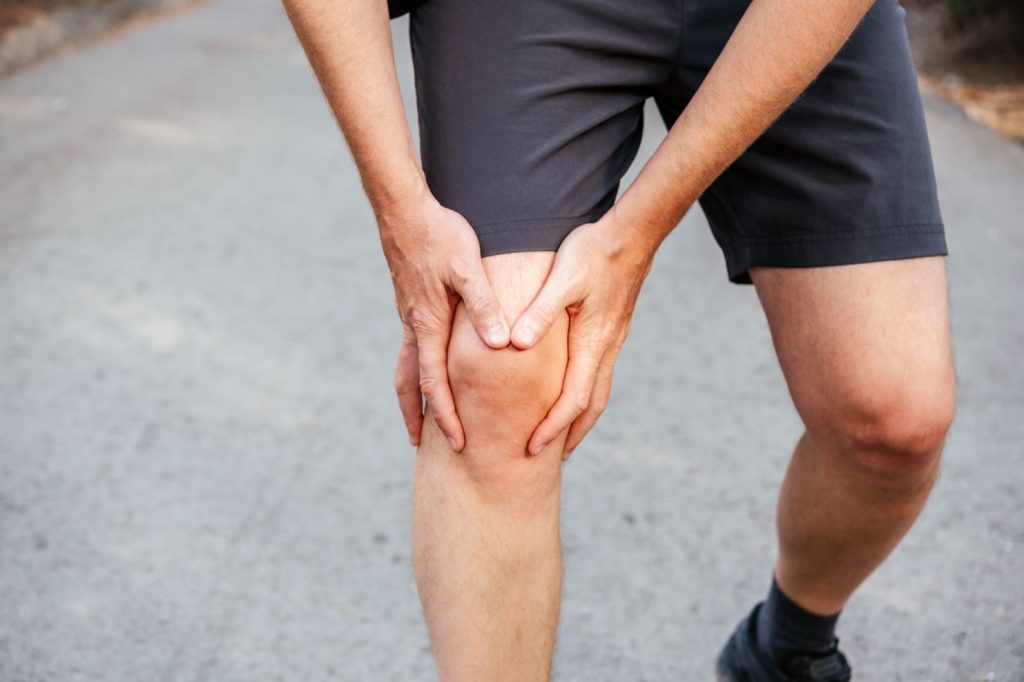
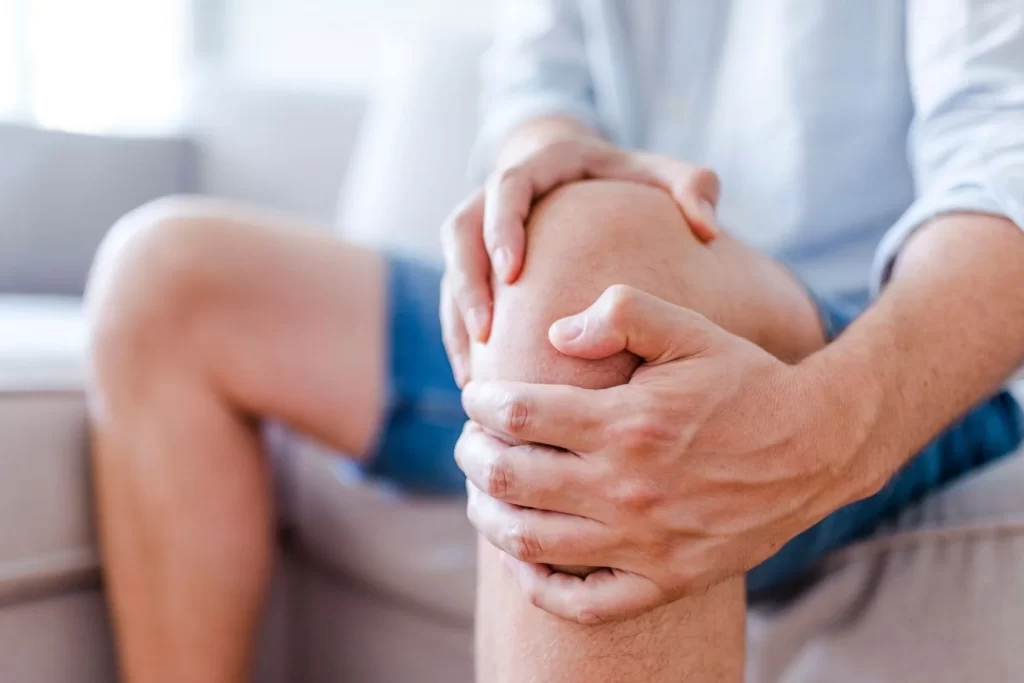
Knee pain is a prevalent issue in Singapore that affects individuals of all ages, ethnicities, backgrounds, and lifestyles. From professional athletes to office workers navigating daily commutes, knee discomfort can significantly impact one’s quality of life. Finding effective knee pain treatment options is crucial for restoring functions, whether from injury, overuse, or joint degeneration.

As a leading podiatry clinic in Singapore, we recognize the importance of addressing knee pain promptly and effectively. In this article, we’ll discuss the causes of knee pain, explore standard treatment options, and provide some prevention tips. Whether you’re experiencing occasional or chronic knee pain, understanding the root causes is vital to finding lasting relief.
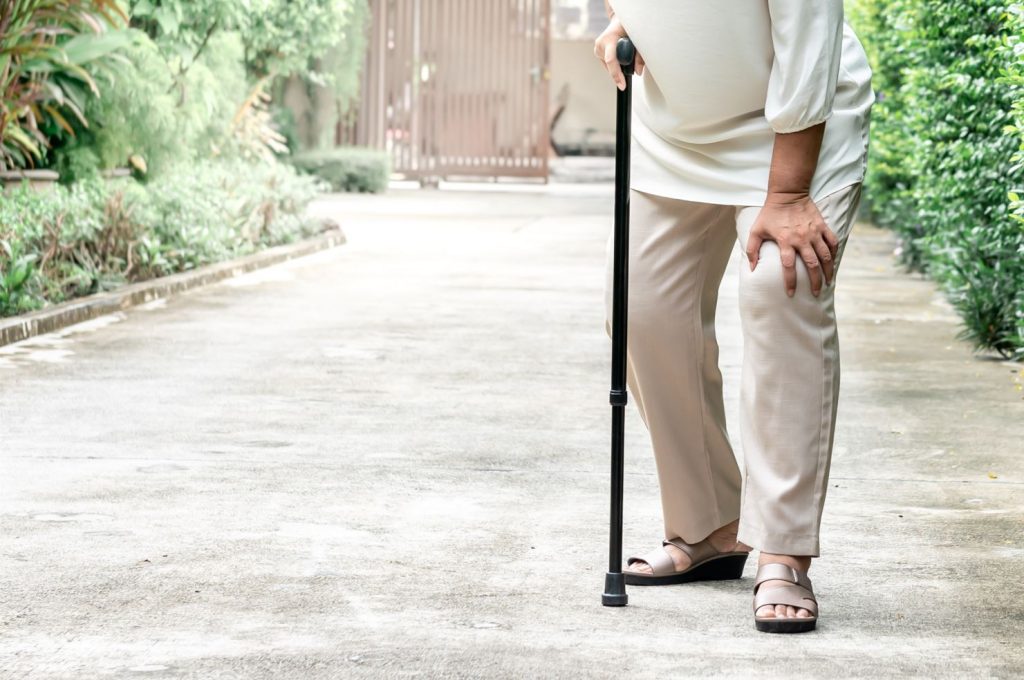
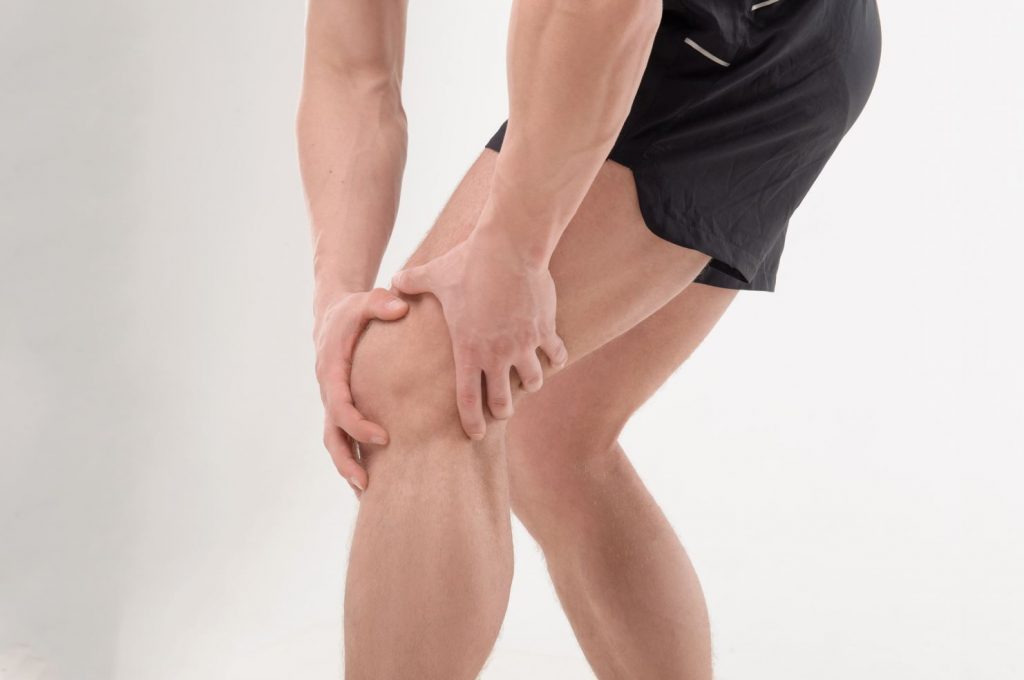
Knee osteoarthritis is a degenerative joint disease that causes knee pain, swelling, and stiffness. It is one of the most common knee conditions for the elderly, often explained as a “wear and tear” problem, and can severely impact their quality of life. Knee osteoarthritis occurs when there is a loss of articular cartilage within the knee, causing the joint space within the knee to narrow and eventually lead to bone-on-bone grinding during movement. As the condition progresses, bony spurs will develop and patients are often able to feel these painful bony lumps around the knee joint. 

It’s important to note that not everyone who experiences osteoarthritis in their knees has experienced a traumatic injury or overuse of the joint. Some people simply have a genetic predisposition to developing knee osteoarthritis as they age.

Iliotibial band syndrome (ITBS) is a condition that causes pain at the lateral (outside) knee joint and is exacerbated by activity. It is an overuse condition resulting from repeated extension and flexion of the knees and therefore commonly affects runners and cyclists. It also tends to occur in individuals with a sudden increase in activity level. 

The iliotibial band (ITB) is a thick fascia band that runs from the outside hip to the outside knee and helps to provide rotational stability to the hip and knee. The cause of ITBS is often multifactorial and if left untreated, it can affect your ability to walk, run or climb stairs.

Patellar Tendonitis, also known as “Jumper’s Knee” or “Patellar Tendinopathy”, is a condition that causes anterior knee pain due to the inflammation of the patellar tendon. The patellar tendon connects the kneecap to the shin bone and it tightens when you extend (straighten) your knee. This condition can be classified into 2 stages – acute or chronic.

Acute patellar tendonitis usually presents with swelling, and redness (signs of inflammation) and indicates an early injury to the tendon. If left untreated and undiagnosed, it can lead to chronic patellar tendinopathy, where the patellar tendon is thickened and degenerated and will take longer to recover.

Meniscus tear or injury is a common cause of knee pain in the medial (inside) and lateral (outside) sides of a knee joint. The knee meniscus is fibrocartilage that helps to “cushion” the shock between the thigh and shin bone when weight-bearing and prevents damage to the joint cartilage. 

A meniscus tear can increase the risk of developing knee osteoarthritis if left untreated. It also changes the biomechanics and stability of the knee joint, resulting in an increased risk of developing other knee conditions.

Runner’s knee, medically termed Patellofemoral Pain Syndrome or Chondromalacia Patella, is a common condition that causes knee pain around or deep to the kneecap. It is an overuse injury due to repetitive stress that occurs in the joint between the kneecap and the thigh bone. This condition can occur at any age but frequently affects the younger population, especially females or active individuals who run, jump or perform squats frequently. If left untreated, this condition can potentially result in knee osteoarthritis.

Search

Categories

Search

Categories

Categories

About Us

Conditions

Treatments

Feet

Ankle

Leg

Knee

Paediatric Conditions

Rheumatology

Skin & Nails

Diabetic Foot

Heel Pain

Foot Pain

Plantar Fasciitis

Achilles Tendonitis

Flat Feet

High Arch Foot Type

Arch Pain

Bunions

Hallux Rigidus

Sesamoiditis

Plantar Plate Injury

Metatarsalgia

Foot Drop

Tarsal Tunnel Syndrome

Baxter’s Nerve Entrapment

Clawed and Hammer Toes

Heel Spurs

Morton’s Neuroma

Accessory Navicular

Ankle Injuries

Posterior Tibial Tendon Dysfunction

Chronic Ankle Sprain

Acute Ankle Sprain

Talar Dome Injuries

Ankle Impingement

Knee Pain

Runner’s Knee

Jumper’s Knee

Meniscus Tear

Iliotibial Band Syndrome

Knee Osteoarthritis

Children’s Flat Feet

In-toe Walking

Toe Walking

Knock Knees

Paediatric Heel Pain

Juvenile Bunions

Osteochondrosis

Kohler’s Disease

Iselin’s Disease

Osgood-Schlatter Disease

Rheumatoid Arthritis

Gout

Fungal Nails

Plantar Warts

Ingrown Toenails

Fungal Skin

Corns and Calluses

Diabetic Peripheral Neuropathy

Diabetic Foot Ulcers

Peripheral Arterial Disease

Charcot Foot