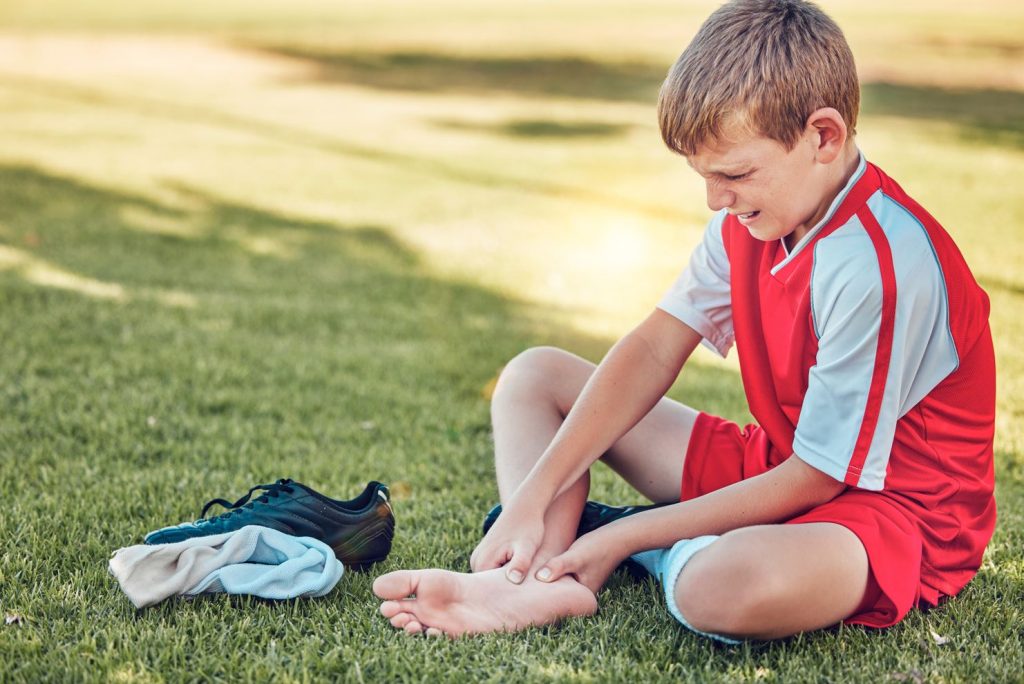
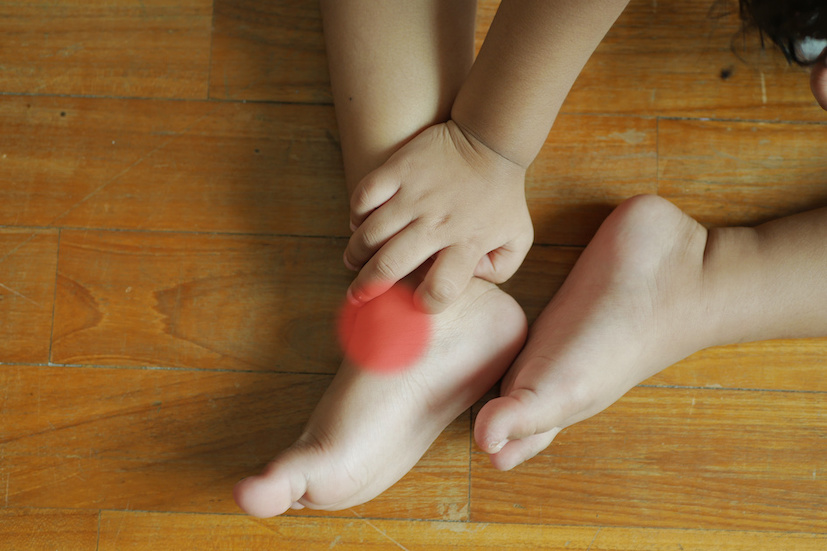
Iselin’s disease, also known as apophysitis of the fifth metatarsal base, is a child foot condition that causes pain in the outer foot. It is a type of osteochondrosis that causes pain at the styloid process of the fifth metatarsal – the long bone at the outer foot that connects to the smallest toe. This condition typically affects children and adolescents active in sports like basketball, football, or ballet.
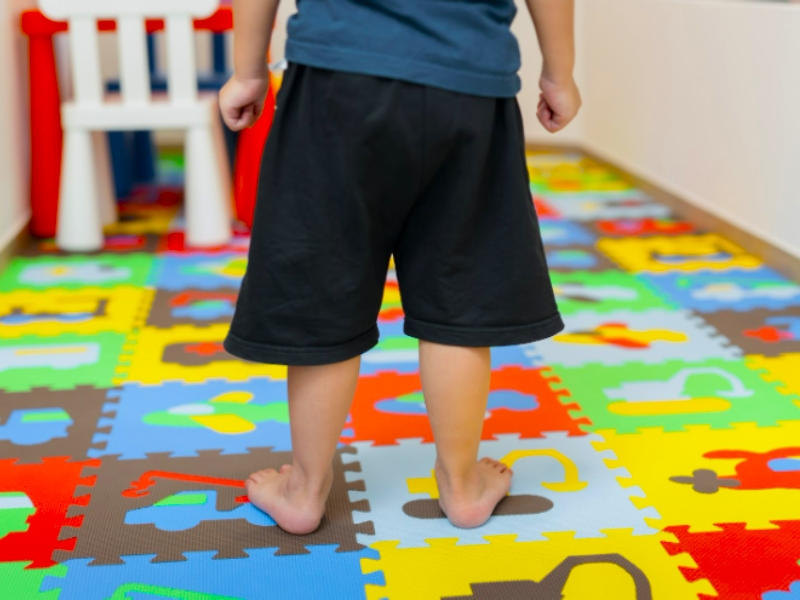
Toe walking, commonly referred to as “walking on tippy toes” by parents, is a condition to describe children who walk without heels touching the ground. Toe walking is a form of gait disorder associated with several underlying neurological or muscular conditions, such as cerebral palsy, muscular dystrophy, and autism. If left untreated, toe walking can lead to other injuries and conditions to the lower limb.
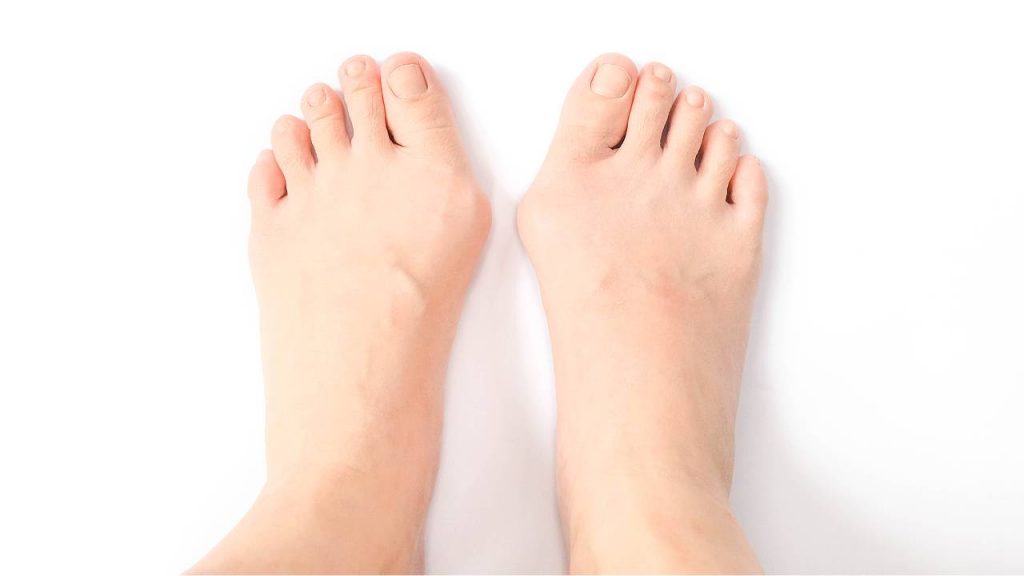
Juvenile bunions, or juvenile hallux abductovalgus, are a type of foot deformity that affects the big toe joint of children or teenagers under the age of 18 years, where the big toe curves towards the lesser toes. The result of the deviation is a bony protrusion over the inner side of the big toe joint. The appearance of a juvenile bunion is similar to an adult bunion, with the only difference being the age of onset.
Juvenile bunions are considered a progressive deformity; therefore, it is expected that the big toe’s deviation worsens as a child grows up. Children affected by juvenile bunions will often not experience any discomfort in its early stages, however, as the deformity worsens, they will usually complain of pain and redness around the big toe joint.
Osteochondrosis is a group of medical disorders affecting the growth and development of bone and cartilage in young children and adolescents. It can affect any joints of a developing child but are most common in the hip, knee, ankle, and foot. Osteochondrosis can cause significant pain and affect the child’s ability to walk.
Kohler’s disease is a rare child’s foot condition that causes midfoot pain and limp. It is a type of osteochondrosis in children and is also known as avascular necrosis of the navicular bone and affects the inner side of the foot arch. Kohler’s disease commonly occurs in children between 3 and 7 years old and is more common in boys. If left untreated, the condition can limit the foot motions and change your child’s gait pattern.
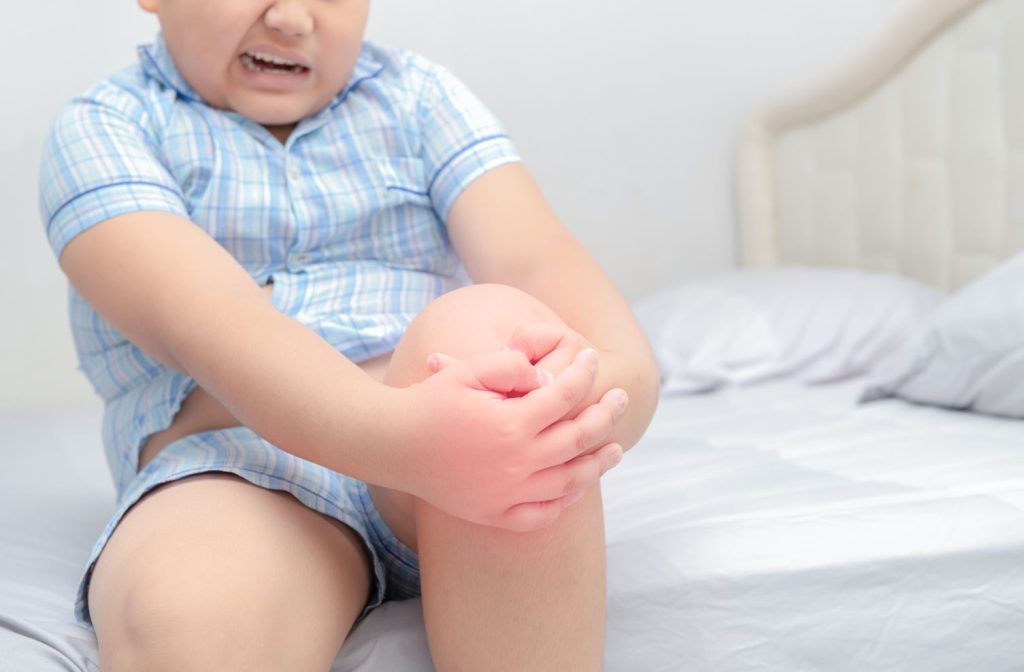
Osgood-Schlatter disease (OSD) is a type of osteochondrosis that causes knee pain in children and adolescents, typically between the ages of 10 and 15. It results from an inflammation of the tibial tuberosity, the bony bump below the kneecap (patella). The condition primarily affects adolescents experiencing a growth spurt and active in running and jumping sports.
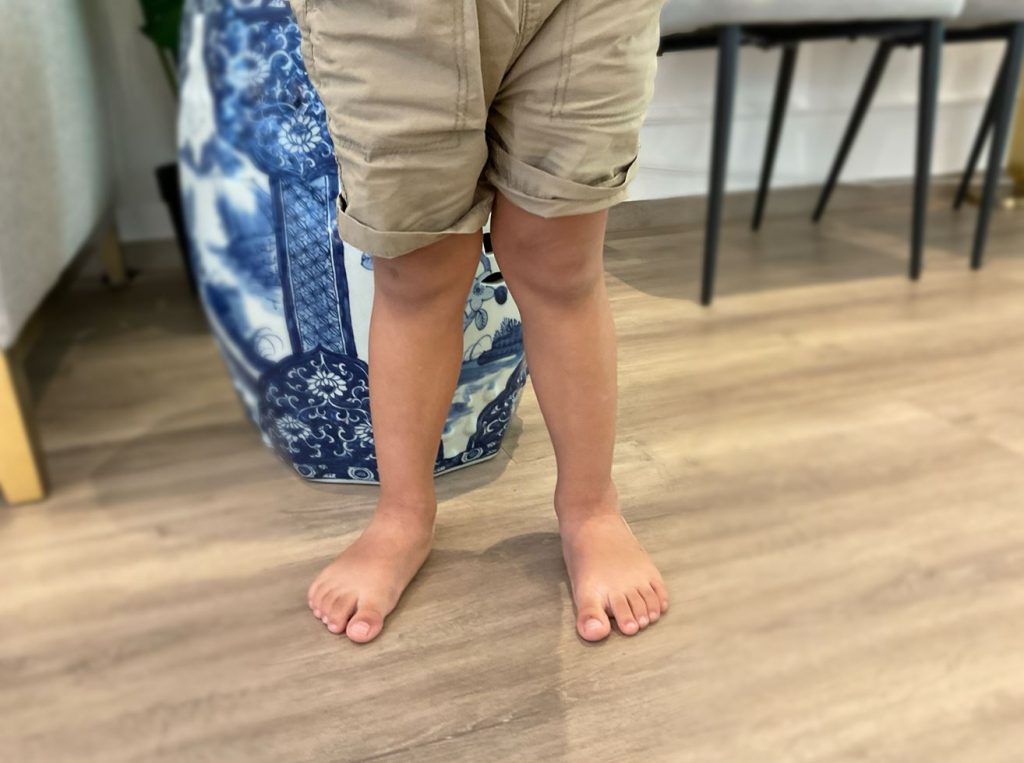
When children take their first steps, every parent watches with excitement (and maybe a little worry). As they grow, you might start to notice their feet looking “flatter” than yours, or their shoes wearing out unevenly. You might also notice that their footprints look odd when you’re at the beach. Sometimes, their grandparents will comment, “Wah, why is my grandchild walking like that? Can you ask somebody to check?” If you’ve ever wondered whether this is normal or something to be concerned about, you’re not alone. These questions are more common than you think, because flat feet in children are a condition that many parents encounter during the growing years, especially in Singapore.
Flat feet in children, or medically called paediatric pes planus, are common — but not always harmless. While some kids outgrow it without problems, others may develop pain, awkward walking patterns, trips and falls easily, or struggle with sports. This is where podiatry for children comes in: to guide parents through what’s normal, what’s not, and when to seek help from a children’s foot specialist.
In-toe walking, also known as “Pigeon toes”, is a condition whereby a child is walking with their toes pointing inwards and facing each other. This condition is considered a form of gait abnormality and is one of the common causes of frequent tripping and falling in young children. It is also one of the most common paediatric conditions that parents often neglect even after noticing the problem.
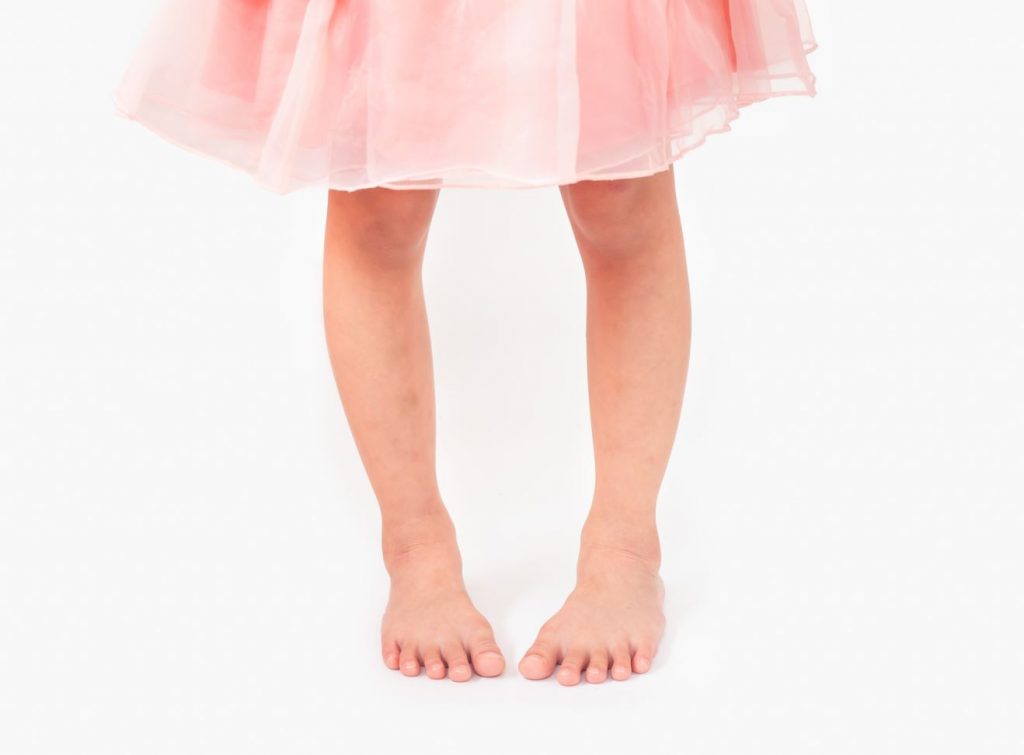
Knock knees, medically termed genu valgum, is a congenital structural abnormality that affects the angle of the knees. Parents often refer to knock knees as “X-shaped” legs, where the knees are touching one another whilst the feet are wide apart when standing.
Knock knees are determined by either the angular difference between the thigh bone (femur) and the leg bone (tibia) through an x-ray or by measuring the gap between the ankles when someone is standing with their knees together.
If within the normal reference range and age, knock knees are part of the normal development of a child. Children are expected to have mild knock knees after the age of 2 years, and peak at the age of 4 years.
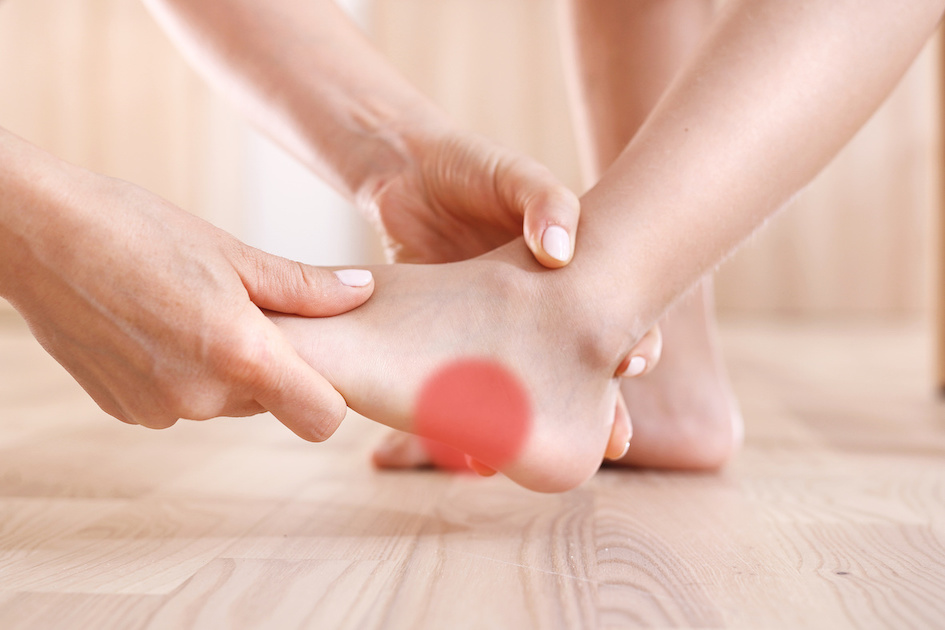
Sever’s disease or calcaneal apophysitis is a type of osteochondrosis that causes heel pain in children between the age of 8 to 14 years. This condition occurs when the Achilles tendon (the tendon that attaches to the back of the heel) pulls on the growth plate of the heel bone (calcaneal apophysis), resulting in swelling and inflammation of the growth plate.
Sever’s disease often occurs in active children and is more common in boys than girls. Children affected by Sever’s disease commonly complain of pain under the heel or at the back of the heel. In the early stages, the pain would normally occur only after high-impact activities or sports, but as the condition gets worse, the pain would eventually cause the child to limp even without activity.