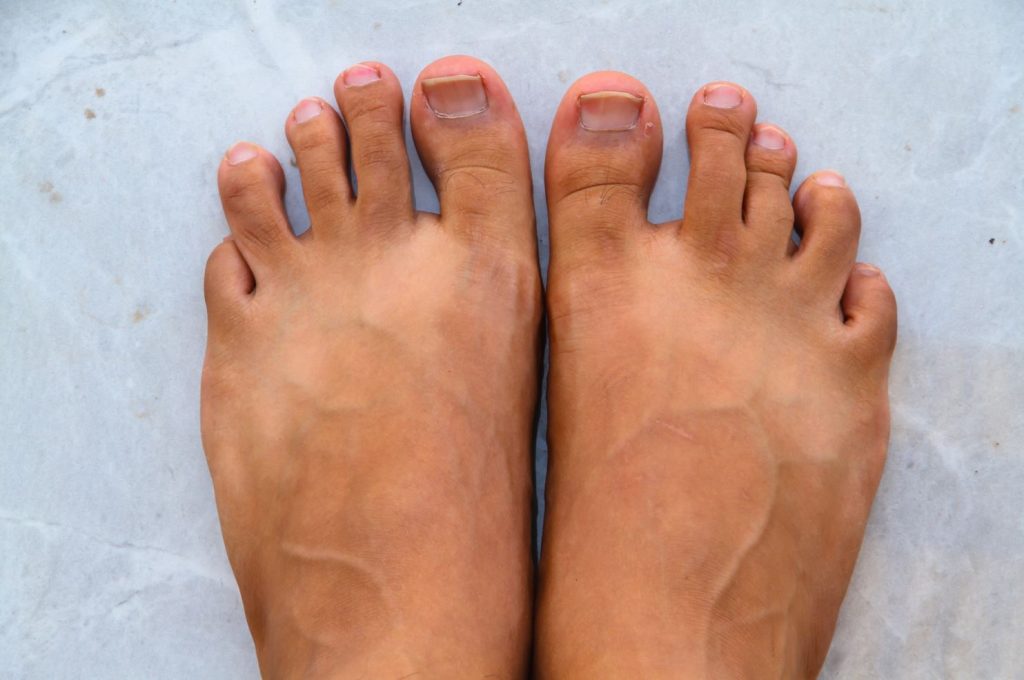




Curly Toe Syndrome is a common foot condition that affects many people in Singapore. It is a deformity that causes the toes to curl, resulting in pain and discomfort when walking or wearing shoes. If left untreated, this condition can worsen, leading to more severe foot problems. This article will discuss the causes, symptoms, and management options for Curly Toe Syndrome in Singapore.
Curly Toe Syndrome is a hereditary condition passed down from parents to their children. It can also be due to abnormalities in the foot biomechanics, such as flat feet. Abnormalities in foot biomechanics can cause muscular imbalances and cause toes to curl or even develop clawed and hammertoes.
The symptoms of Curly Toe Syndrome can vary from person to person. Some people may have no symptoms, while others have severe pain and discomfort, especially when wearing tight-fitting footwear. Typical symptoms include:
There are several treatment options available for Curly Toe Syndrome in Singapore. However, the best treatment option for you will typically depend on the severity of your condition and your individual needs. The standard treatment options include:
If you are looking for management options for Curly Toe Syndrome in Singapore, we are here to help. Our experienced podiatrists can provide a comprehensive evaluation and personalized management plan tailored to your needs. We also offer other lower limb services, including foot and ankle pain management, orthotics, and diabetic foot care. Contact us today to schedule a consultation and take the first step towards healthier, happier feet.
The management depends on the severity of the condition. Orthotics, toe exercises, and proper footwear are helpful for mild-to-moderate cases. Orthotics can help realign the toes and foot posture, while toe exercises can help strengthen the muscles and improve flexibility. Proper footwear can also reduce pressure on the toes and prevent further deformity.
Curly toe syndrome is a relatively common foot deformity usually present at birth. It can affect one or both feet and is more commonly seen in ladies or individuals with family history.
The condition does not usually go away on its own. However, we can manage the symptoms and prevent the condition from worsening.
Most cases of curly toe syndrome do not require surgery. However, surgery may be necessary for more severe cases, especially when the deformity is rigid. The purpose of surgery in such cases is to correct the deformity and relieve pain and discomfort. Otherwise, orthotics, toe exercises, and proper footwear can manage most cases.
Chief Podiatrist, B.Pod(Hons). Your foot and lower limb specialist passionate about raising awareness for foot and lower limb health.