


Plantar Fasciitis Exercises: A Step-by-Step Guide

Introduction

Plantar fasciitis can turn even the simplest activities into painful endeavours. Fortunately, targeted exercises can help alleviate the pain and even prevent the condition from worsening. This step-by-step guide aims to provide you with a set of exercises to manage and potentially relieve the symptoms of plantar fasciitis.

Why Exercise Helps

Engaging in specific exercises can help to improve the flexibility and strength of your foot and calf muscles, thereby reducing the strain on your plantar fascia. These exercises aim to:

  1. Stretch the Achilles tendon and calf muscles.
  2. Strengthen the muscles in your feet.
  3. Improve balance and stability.

Diagnosis

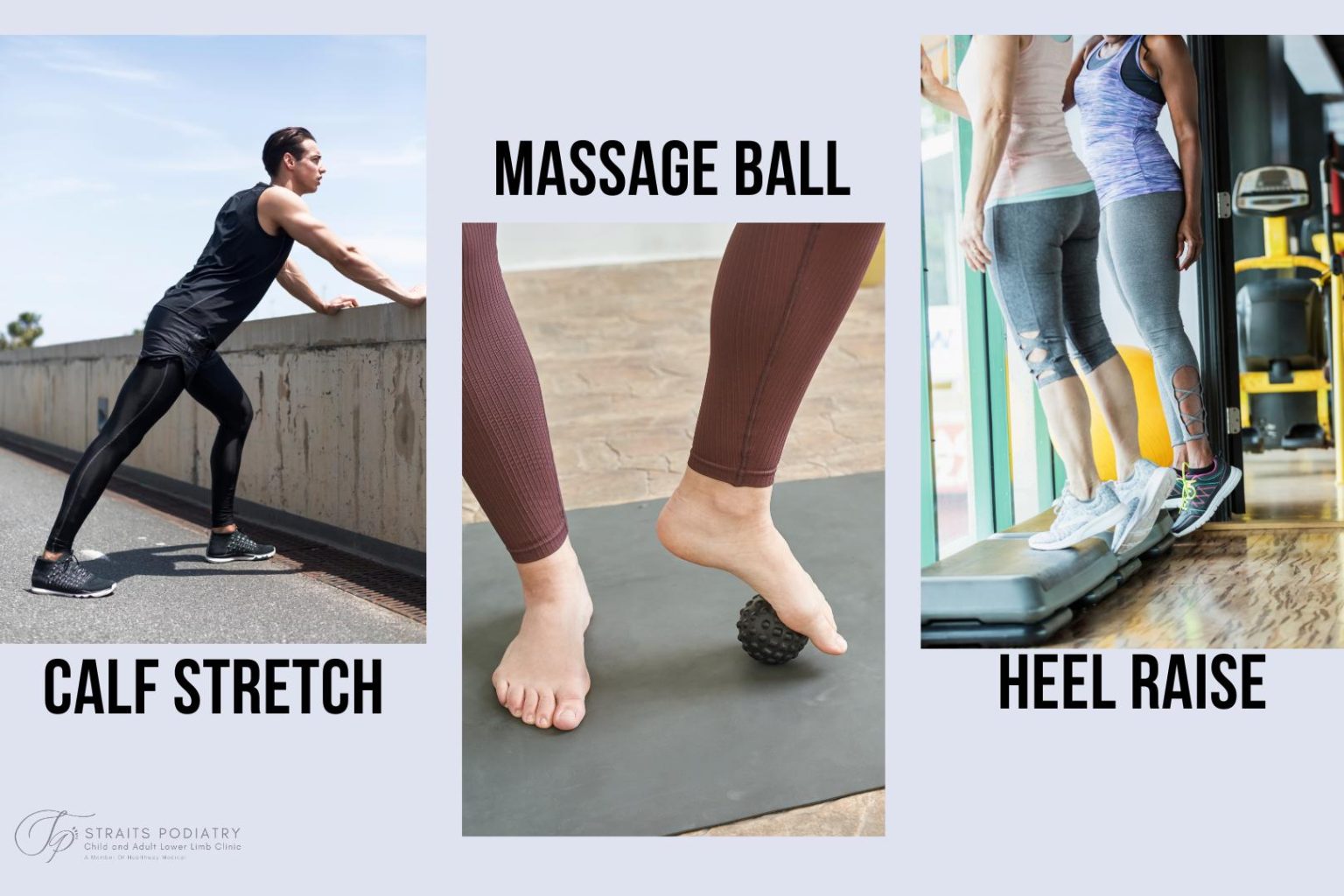
1. Calf Stretch

Steps:

  1. Stand facing a wall with your hands pressed against it.
  2. Step one foot back, keeping it straight.
  3. Bend your front knee while keeping your back heel on the ground.
  4. Hold for 20-30 seconds, then switch sides.

2. Plantar Fascia Stretch

Steps:

  1. Sit down and extend your affected leg in front of you.
  2. Grab your toes and gently pull them toward you.
  3. Hold the stretch for 20-30 seconds.
  4. Perform 3 sets at least 2 times a day.

3. Towel Curl

Steps:

  1. Sit on a chair and place a towel under your feet.
  2. Use your toes to scrunch the towel toward you.
  3. Repeat for 10-15 reps.

4. Massage Ball Rolling

Steps:

  1. Sit on a chair and place a massage ball or foam roller under your arch.
  2. Roll your foot back and forth over.
  3. Perform for 20-30 seconds.
  4. Repeat twice
  5.  

5. Heel Raise

Steps:

  1. Stand behind a chair for support.
  2. Raise your heels off the ground, elevating onto your toes.
  3. Lower back down slowly in a count of 5 seconds.
  4. Do 10-15 reps for 2 sets.

When to Perform These Exercises

We advise you to consult a podiatrist or healthcare provider before starting any exercise routine. This is to ensure that you have a clear diagnosis before initiating your management. Once cleared, you can perform these exercises daily. Remember, consistency is key.

Precautions

  • Always warm up before you begin.
  • Stop any exercise if you experience pain or discomfort.
  • Consult a healthcare provider for personalized advice.

Conclusion

Exercise can play a crucial role in alleviating plantar fasciitis symptoms and improving foot health. Consistent practice coupled with proper footwear and other treatments can set you on the path to recovery.

Consistent exercise can lead to lasting relief from plantar fasciitis. Always consult your healthcare provider for diagnosis and tailored plantar fasciitis treatment options.

Further Reading

  1. Plantar Fasciitis – A comprehensive guide on the causes, diagnosis, and treatment of plantar fasciitis
  2. The Role of Shockwave Therapy in Plantar Fasciitis Treatment
  3. Foot Arch Types and Their Impact on Plantar Fasciitis
Picture of Jackie Tey

Jackie Tey

Chief Podiatrist, B.Pod(Hons). Your foot and lower limb specialist passionate about raising awareness for foot and lower limb health.

Share this with someone you know

Search

You May Also Like

Do You Have A Question? Ask Us...

Search

Do You Have A Question? Ask Us...

You May Also like

About Us

Conditions

Treatments

Feet

Ankle

Leg

Knee

Paediatric Conditions

Rheumatology

Skin & Nails

Diabetic Foot

Heel Pain

Foot Pain

Plantar Fasciitis

Achilles Tendonitis

Flat Feet

High Arch Foot Type

Arch Pain

Bunions

Hallux Rigidus

Sesamoiditis

Plantar Plate Injury

Metatarsalgia

Foot Drop

Tarsal Tunnel Syndrome

Baxter’s Nerve Entrapment

Clawed and Hammer Toes

Heel Spurs

Morton’s Neuroma

Accessory Navicular

Ankle Injuries

Posterior Tibial Tendon Dysfunction

Chronic Ankle Sprain

Acute Ankle Sprain

Talar Dome Injuries

Ankle Impingement

Knee Pain

Runner’s Knee

Jumper’s Knee

Meniscus Tear

Iliotibial Band Syndrome

Knee Osteoarthritis

Children’s Flat Feet

In-toe Walking

Toe Walking

Knock Knees

Paediatric Heel Pain

Juvenile Bunions

Osteochondrosis

Kohler’s Disease

Iselin’s Disease

Osgood-Schlatter Disease

Rheumatoid Arthritis

Gout

Fungal Nails

Plantar Warts

Ingrown Toenails

Fungal Skin

Corns and Calluses

Diabetic Peripheral Neuropathy

Diabetic Foot Ulcers

Peripheral Arterial Disease

Charcot Foot