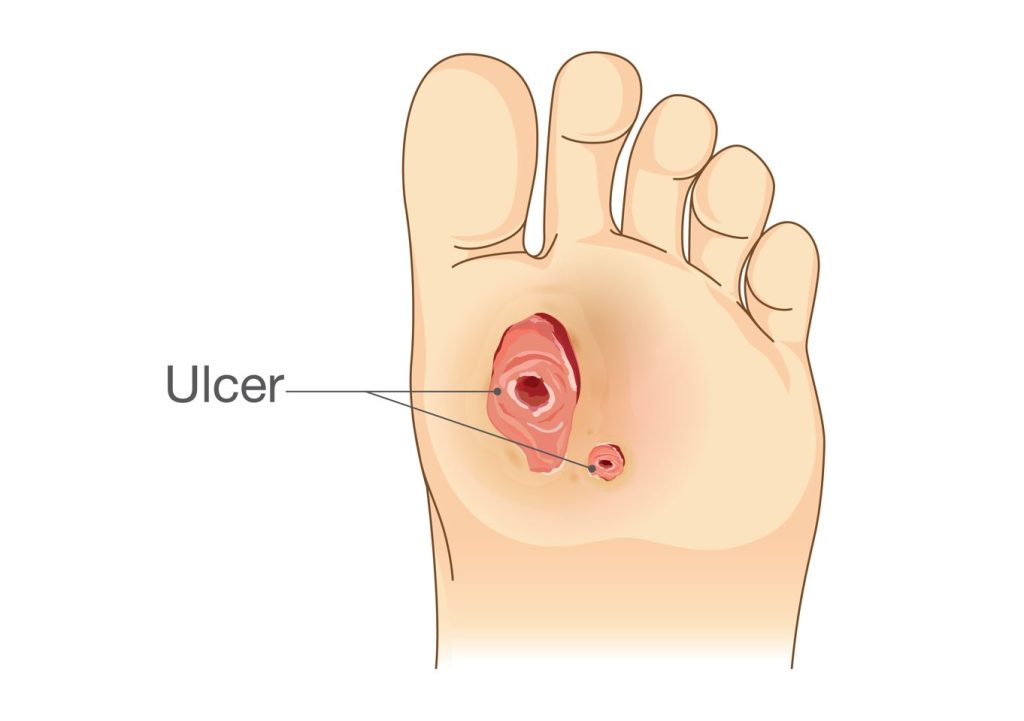
Diabetic Foot Ulcers and Wounds

Causes of Diabetic Foot Ulcers and Wounds

Diabetic foot ulcers and wounds result from several factors, including the following:


  • Peripheral neuropathy: a loss of protective sensation in feet, leading to “numbness” and inability to feel pain
  • Poor circulation: reduced blood flow to the feet, leading to a slow healing process
  • Low immunity: reduced ability to fight infections, leading to multiple infections
  • Trauma: skin breaks, such as blisters, cuts, or burns, can quickly go unnoticed and lead to ulcers and wounds
  • Pressure and shearing: high pressure or shearing under the foot causes calluses or corns to form and eventually breaks down the underlying tissue

Need Help? See Our Podiatrist Today

Symptoms of Diabetic Foot Ulcers and Wounds

The symptoms of diabetic foot ulcers and wounds can range from mild to severe and may include:
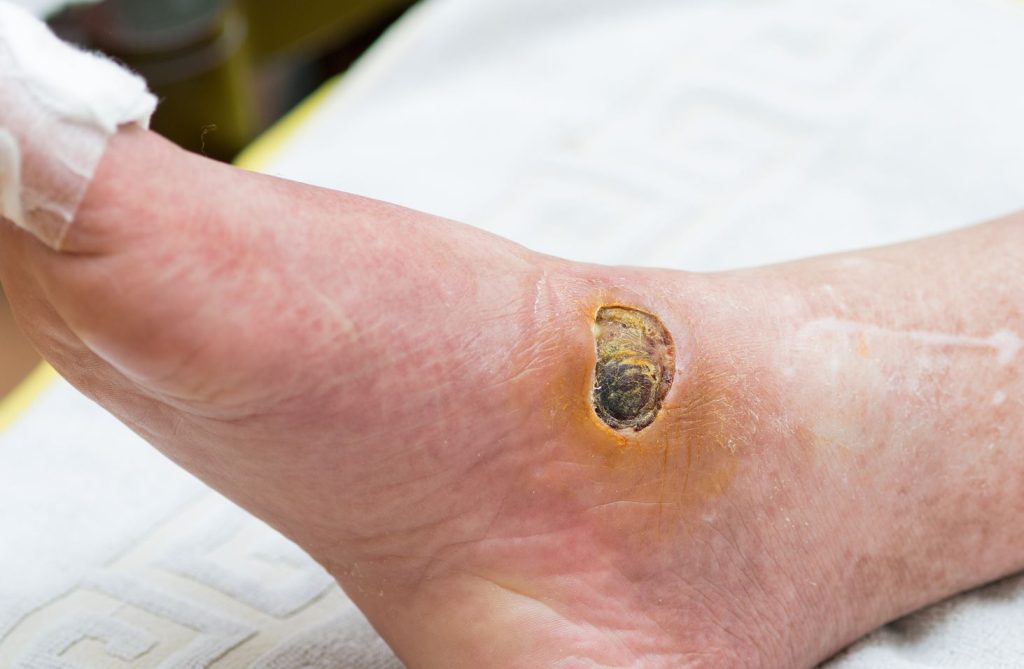
  • Open wounds that can vary in colour, such as red, yellow, brown, or black
  • Redness, swelling, and warmth in the affected area
  • Drainage or pus from the wound
  • Foul odour
  • Pain or discomfort

Treatments for Diabetic Foot Ulcers in Singapore

Proper management of diabetic foot ulcers and wounds must involve a comprehensive approach that addresses the underlying causes and promotes healing. Treatment options in Singapore typically include:
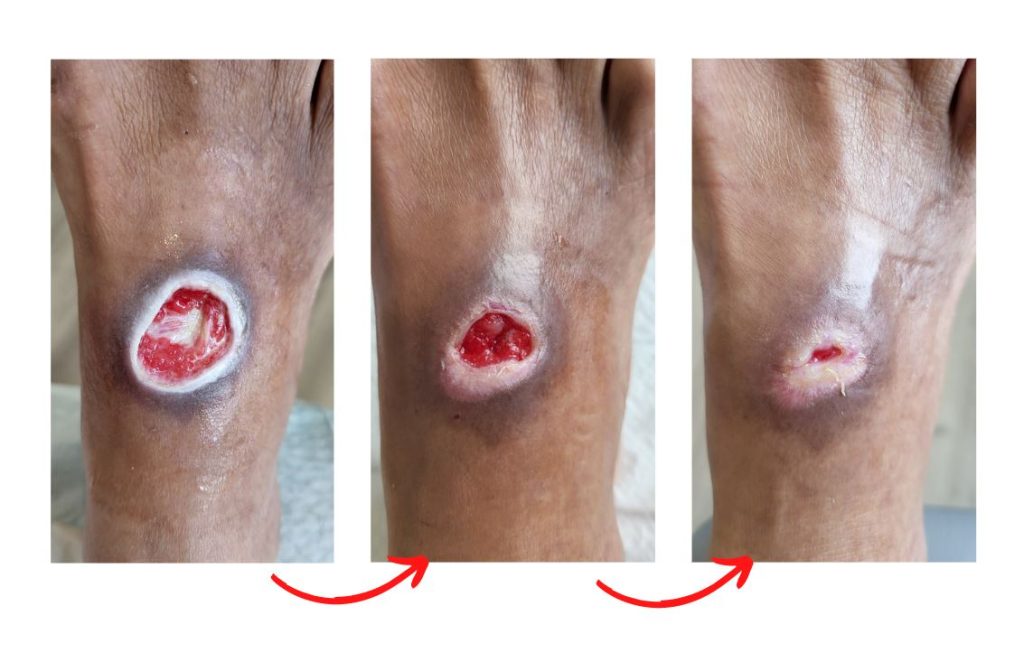
  • Debridement: Removal of dead tissue to promote healing
  • Wound dressings: To keep the wound clean and moist
  • Off-loading: To relieve pressure on the affected area using custom insoles and shoes
  • Antibiotics: To treat infections
  • Advanced wound dressings: Severe ulcers require special dressings to promote healing

Preventing Diabetic Foot Ulcers and Wounds

Preventing diabetic foot ulcers and wounds is crucial in managing this condition. Here are some tips to keep your feet healthy:

  • Practice good foot hygiene: Keep your feet clean and dry and inspect them regularly.
  • Wear appropriate footwear: Choose shoes that fit well and provide support and protection.
  • Manage your blood sugar levels: Control your blood sugar levels to reduce the risk of complications.
  • Regular check-ups: Visit your podiatrist 

Trust Straits Podiatry for Comprehensive Diabetic Foot Care

Diabetic foot complications can be debilitating, and it is essential to receive timely and evidence-based management. At Straits Podiatry, we specialize in diabetic foot care and offer various services to manage and prevent complications. We work with you to develop a personalized plan that addresses your unique needs and helps you achieve optimal foot health. Contact us today to schedule an appointment and take the first step towards healthy feet.

Share With Us 

Frequently Asked Questions

How common are diabetic foot ulcers in Singapore?

Diabetic foot ulcers are a common complication among individuals with diabetes. In Singapore, around 11% of the adult population has diabetes, and approximately 25% of those with diabetes may develop a foot ulcer at some point. As a result, diabetic foot ulcers represent a significant public health concern in Singapore.

Diabetic foot ulcers typically result from a combination of factors related to diabetes, such as:

  • Peripheral neuropathy: Nerve damage that reduces sensation in the feet, increasing the risk of unnoticed injuries
  • Peripheral artery disease: Reduced blood flow to the feet, which can delay healing and increase the risk of infection
  • Foot deformities: Abnormal foot structure or biomechanics can increase pressure on specific areas, leading to ulcers
  • Poorly fitting footwear: Shoes that do not provide adequate support or cause friction can contribute to the development of ulcers

In Singapore, you can seek help for diabetic foot ulcers from a podiatrist or diabetes specialist at various healthcare facilities, including public hospitals, private clinics, and specialized diabetic foot clinics. Podiatrists work closely with endocrinologists, orthopaedic and vascular surgeons when treating diabetic foot complications.

To prevent diabetic foot ulcers in Singapore, you should:

  • Regularly monitor and control your blood sugar levels
  • Inspect your feet daily for signs of injury, redness, or swelling
  • Keep your feet clean and moisturized, but avoid applying lotion between your toes
  • Trim your toenails carefully and avoid cutting them too short or into the corners
  • Wear properly fitting, supportive footwear and seamless, moisture-wicking socks
  • Schedule regular check-ups with a podiatrist or diabetes specialist
  • Clean and cover any skin cuts or breaks to prevent any risk of infection

The healing time for a diabetic foot ulcer varies depending on the severity of the ulcer, the individual’s overall health, and the management plan. Generally, it may take several weeks to months to heal. Severe cases with significant underlying health conditions may take more than a year.

However, severe ulcers or those complicated by infection may require extended recovery. Adhering to the management plan prescribed by your healthcare professional and maintaining proper foot care is crucial to promote healing and prevent complications.

You should consult your medical professional before seeking alternative medicine or traditional remedies. Some alternative therapies may interfere with conventional treatments, delay healing, or worsen the condition. Evidence-based medical therapies, such as wound care, debridement, and infection control, are essential for managing diabetic foot ulcers. Following your medical professional’s recommendations and being open about any alternative treatments you may be considering is vital.

Search

You May Also Like

Do You Have A Question? Ask Us...

Search

Do You Have A Question? Ask Us...

You May Also like

Categories

Categories

About Us

Conditions

Treatments

Feet

Ankle

Leg

Knee

Paediatric Conditions

Rheumatology

Skin & Nails

Diabetic Foot

Heel Pain

Foot Pain

Plantar Fasciitis

Achilles Tendonitis

Flat Feet

High Arch Foot Type

Arch Pain

Bunions

Hallux Rigidus

Sesamoiditis

Plantar Plate Injury

Metatarsalgia

Foot Drop

Tarsal Tunnel Syndrome

Baxter’s Nerve Entrapment

Clawed and Hammer Toes

Heel Spurs

Morton’s Neuroma

Accessory Navicular

Ankle Injuries

Posterior Tibial Tendon Dysfunction

Chronic Ankle Sprain

Acute Ankle Sprain

Talar Dome Injuries

Ankle Impingement

Knee Pain

Runner’s Knee

Jumper’s Knee

Meniscus Tear

Iliotibial Band Syndrome

Knee Osteoarthritis

Children’s Flat Feet

In-toe Walking

Toe Walking

Knock Knees

Paediatric Heel Pain

Juvenile Bunions

Osteochondrosis

Kohler’s Disease

Iselin’s Disease

Osgood-Schlatter Disease

Rheumatoid Arthritis

Gout

Fungal Nails

Plantar Warts

Ingrown Toenails

Fungal Skin

Corns and Calluses

Diabetic Peripheral Neuropathy

Diabetic Foot Ulcers

Peripheral Arterial Disease

Charcot Foot