What is Diabetic Peripheral Neuropathy?
Diabetic peripheral neuropathy (DPN) results from nerve damage caused by long-standing high blood sugar levels. It is a common complication of both type 1 and type 2 diabetes. DPN primarily affects the nerves in the legs and feet but can also involve the arms and hands. DPN generally develops gradually and may lead to complications that can greatly impact the quality of life.
Symptoms
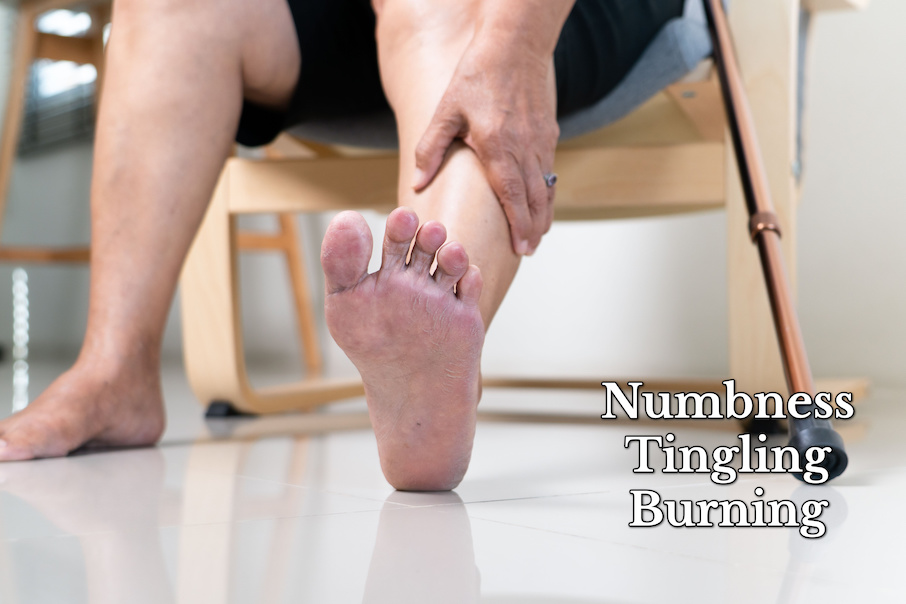
The symptoms of DPN may vary depending on the severity of the condition and the nerves affected. Some common symptoms include:
- Numbness, tingling, shooting or burning pain in the hands, arms, feet, or legs
- Inability to feel pain when there is a cut in the skin
- Difficulty sensing temperature
- Loss of balance or coordination
- Muscle weakness
- Small muscle wasting in the feet
Need Help? See Our Podiatrist Today
Complications
If left untreated, DPN can lead to several complications:
- Fall risk: Loss of balance and coordination can increase the risk of falls and suffering injuries.
- Foot ulcers: Numbness may make it difficult to feel a minor injury or pain from calluses or corns, leading to the development of ulcers.
- Infections: The inability to feel pain can make it challenging to notice wounds, hence increasing the risk of severe infections
- Charcot’s foot: A condition that causes the weakening of bones and joints, leading to severe foot deformities and may cause disability.
- Amputation: Severe infections or ulcers that don’t heal may end up needing amputation of the affected limb to prevent the spread of infection.
Treatment Options in Singapore
There is no definite cure for DPN, but proper control of diabetes and a comprehensive management plan can help control symptoms, prevent complications, and improve the quality of life. Treatment options include:

- Blood sugar control: Maintaining blood sugar levels within the target range is crucial to prevent the progression of DPN.
- Medication: Prescription medications from your doctor may help manage DPN pain and discomfort.
- Physical therapy: Exercises, stretches, and balance training can help improve strength, coordination, and mobility.
- Orthotics and footwear: Proper footwear and custom orthotics can protect the feet, reduce pressure, and prevent ulcers.
- Regular foot care: You should inspect your feet daily, keep them clean and dry, and promptly address any injuries to help prevent complications.
- Regular diabetic foot screening: We recommend at least a foot screening once or twice a year to monitor your foot health.
Conclusion
Diabetic peripheral neuropathy is a common and potentially debilitating complication of diabetes. By understanding the symptoms, complications, and available treatment options, you can actively manage your condition and maintain a better quality of life. If you live in Singapore and need a podiatrist to support and manage your symptoms of DPN, contact us at Straits Podiatry today!
Frequently Asked Questions
Are there any specialist clinics for diabetic peripheral neuropathy in Singapore?
While no specific statistics are available for the prevalence of Charcot foot in Singapore, the condition is generally more common among individuals with diabetes and peripheral neuropathy. Considering that Singapore has a high prevalence of diabetes, those affected by the disease must be aware of the risks and symptoms associated with Charcot neuroarthropathy.
Will controlling my diabetes cure diabetic peripheral neuropathy?
If left untreated or not appropriately managed, Charcot foot can lead to severe deformity, chronic ulcers, infections, and amputation. Early detection and treatment and regular check-ups with a medical professional can significantly reduce the risk of amputation.
Is it too late to start controlling my sugar after I have diabetic peripheral neuropathy?
Specialized clinics and hospitals in Singapore have expert podiatrists and orthopaedic surgeons who can diagnose and manage Charcot foot. Our podiatrists are highly experienced in managing and preventing complications associated with diabetes, including Charcot neuroarthropathy.
What can happen if my feet are numb from diabetic peripheral neuropathy?
The ability to continue working and participating in daily activities while undergoing treatment for Charcot foot depends on the severity of your condition and the treatment you need. Generally, we strongly advise limiting your weight-bearing activities and always using the prescribed devices, cast, or boots to protect your foot. You should only return to normal activities when your medical professionals advise so. Prioritizing your foot’s healing and avoiding activities that could exacerbate the condition or hinder recovery is crucial.
How can podiatrists help my diabetic peripheral neuropathy?
To reduce the risk of developing Charcot foot, individuals with diabetes in Singapore should:
- Regularly monitor and manage blood sugar levels.
- Conduct daily self-examinations of the feet for signs of injury or infection.
- Visit a podiatrist for regular foot health screening and early detection of potential issues.
- Wear properly fitting, supportive footwear and avoid walking barefoot.
- Adopt a healthy lifestyle, including a balanced diet and regular physical activity, to help manage diabetes and reduce the risk of complications.
Search
You May Also Like
Do You Have A Question? Ask Us...
Search
Do You Have A Question? Ask Us...
You May Also like
Categories
Categories
- Ankle (4)
- Diabetic Foot (7)
- Feet (5)
- Knee (5)
- Paediatric Lower (5)
- Soft Tissue (3)
- Uncategorized (60)