
Conditions >>
Flat feet, or medically termed as pes planus, is a condition where the arches of the feet are lower than normal or completely collapsed. In severe cases, the entire sole of the foot will completely touch the ground. Although many people with flat feet experience no symptoms, others may face significant discomfort and long-term complications. Flat feet with symptoms typically warrant treatment to manage the pain and prevent further complications.
Flat feet occur when the foot arch either does not develop properly or collapses over time. It is a common foot deformity condition seen in Asian countries. Flat feet in children (paediatric pes planus), especially infants and toddlers, can be normal as the arches typically develop during childhood. However, flat feet that persist into adulthood or develop later in life can lead to various foot and lower limb problems, including pain, fatigue, and difficulty walking.
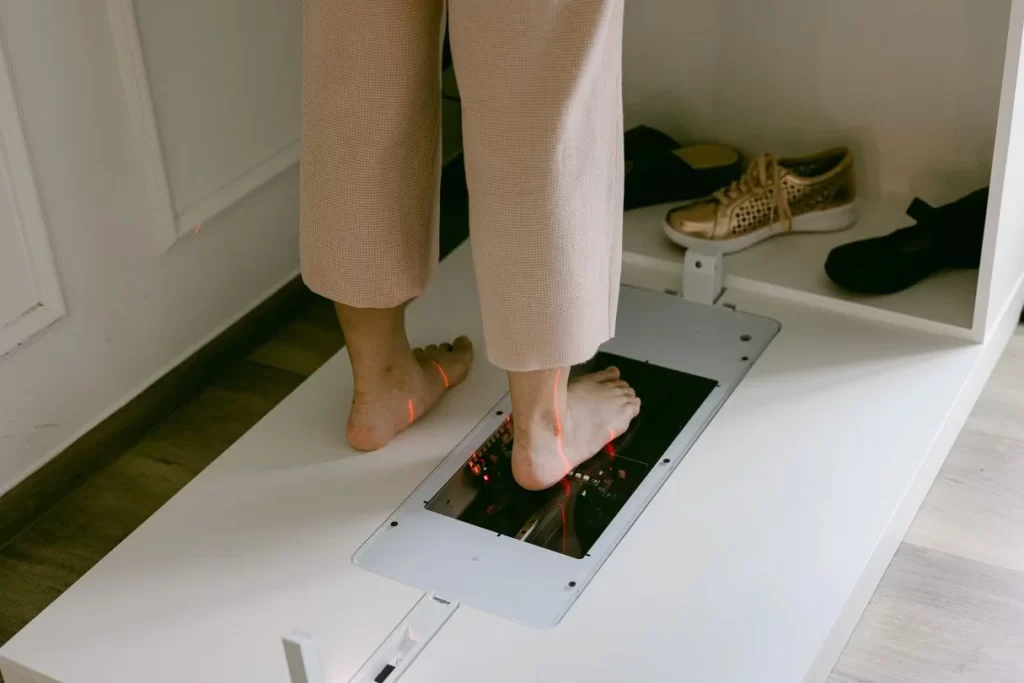
The arch of the foot is a key player in foot biomechanics, as it acts as a structural stabiliser when you walk, run, and stand. It also helps distribute your weight across the entire foot like a tripod, and it helps transfer load effectively from the heel to the forefoot. When the arch collapses or fails to hold its shape, the foot functions change, and the gait pattern is affected. As the foot function directly affects the walking pattern, fallen arches can lead to potential problems up the lower limbs, including the feet, ankles, knees, and even the hips or lower back. Therefore, addressing flat feet early is essential to prevent injuries and maintain overall foot health and mobility.
A person can develop flat feet for various reasons, including:
There are four primary types of flat feet:
While some individuals with flat feet may not experience any symptoms, others may encounter various problems. Common symptoms include:
Flat feet can lead to various conditions, especially if you neglect your foot health. While some individuals may only suffer pain later in life, some may develop these conditions as early as in their teens.
Associated conditions, as seen in research, include:
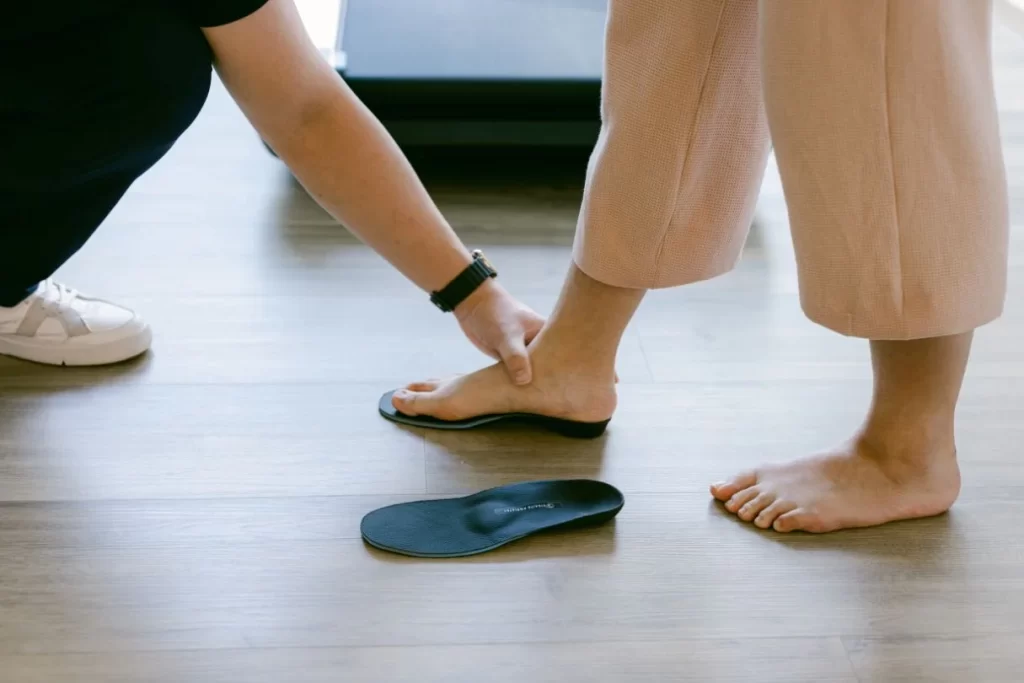
Treatment options to manage flat feet typically depend on the severity of the condition and the symptoms. Standard treatment options include:
In most cases, surgery is not necessary for treating flat feet. However, surgery may be beneficial if:
Common surgical procedures include tendon repair, realignment of the bones, or fusion of the joints in extreme cases. Surgery is usually considered a last resort when all other treatments have been exhausted.
If you experience pain, discomfort, or difficulty walking due to flat feet, it’s important to consult a podiatrist for an evaluation. A trained podiatrist will be able to differentiate the type of foot deformity, perform gait assessment, and recommend appropriate flat feet treatment options to help manage your concerns. You should see a podiatrist if:
Flat feet or pes planus can cause a range of issues, from mild discomfort to significant pain and functional limitations. Understanding the causes, symptoms, and treatment options available can help you manage the condition and prevent complications. If you’re experiencing symptoms or struggling with foot pain, don’t hesitate to seek help from a professional. At Straits Podiatry, our team of expert podiatrists is here to provide personalised care and support for all your foot health needs. Contact us today to schedule an appointment and get back on the path to healthy, pain-free feet.
Related Articles
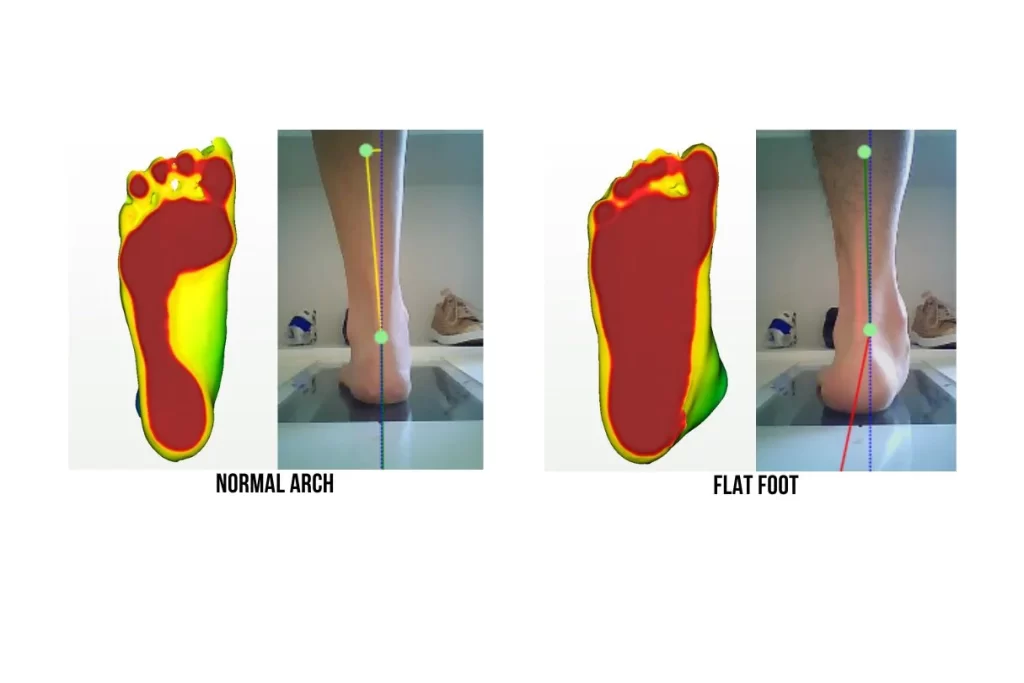
There are a few methods for assessing whether you have a normal foot arch. You can either observe your footprints, check the wear pattern of your shoe, or look from the back of your heels.
Footprints are one of the easiest ways to assess your foot arch. A normal footprint would have an obvious concave curvature at the arch. A person with flat feet would not have a concave curvature or may be convex.
A person with flat feet will have a medially distorted shoe upper, meaning the arch area bulges outwards. You will also notice that the heel counter starts to slant inwards. Excessive wear of the inner side of the sole is also a key sign.
The ideal foot posture is to have a verticle heel position. A person with flat feet typically has an inward slanting heel position (forming a triangle), whereas high arch feet may have an outward slanting heel position (inverted triangle).
There are methods to correct flat feet permanently, the majority through surgical options. However, there are paediatric cases where the foot structure improves with the use of supramalleolar orthoses. Generally, conservative methods will no longer work once you reach adolescence or adulthood.
Yes, flat feet can develop later in life due to factors such as ageing, injury, or certain medical conditions. It’s important to address symptoms early and seek professional evaluation to prevent further issues.
Shoes with good arch support, structured cushioning, and midsole stability are best for individuals with flat feet. Look for footwear designed to support and reduce strain on the feet, and consider consulting a podiatrist for personalised recommendations.
Yes, flat feet can lead to pain in other areas, such as the knees, hips, and lower back, due to altered foot mechanics and improper alignment. The additional strain on these areas can result in discomfort and pain.
Custom orthotics can be highly effective if it is prescribed and designed correctly. They are designed to provide personalized support, correct foot mechanics, and alleviate pain. Many individuals find significant relief with properly fitted orthotics. We strongly recommend seeing a Podiatrist for your foot orthotics prescription instead of going to a shoe store or an orthotics technician.