
Conditions >>
Fungal nails (Nail Fungus), also known as onychomycosis or tinea unguium, are a fungal infection of the nails. Fungal nails are usually discoloured, crumbly, thickened, and brittle in appearance. They can also cause foul odour at times. Fungal nails, if untreated, can spread to the surrounding nail or skin. Likewise, if you have a fungal skin infection, like the athlete’s foot, you can cause the infection to spread to the nails.
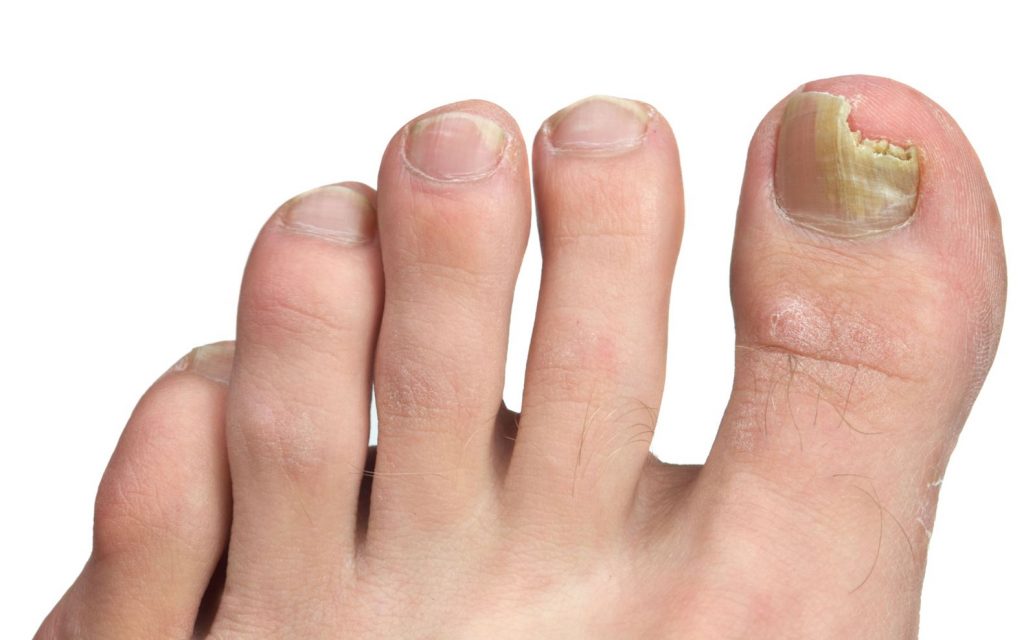
Generally, there are three common types of fungal nails, and different species of fungi are responsible for causing them:
Fungal nail infections are opportunistic, so you have to give the fungi the right conditions to start an infection. There are multiple causes and risk factors of fungal nail infections, which are often difficult to determine.
Causes and risk factors of fungal nails include:
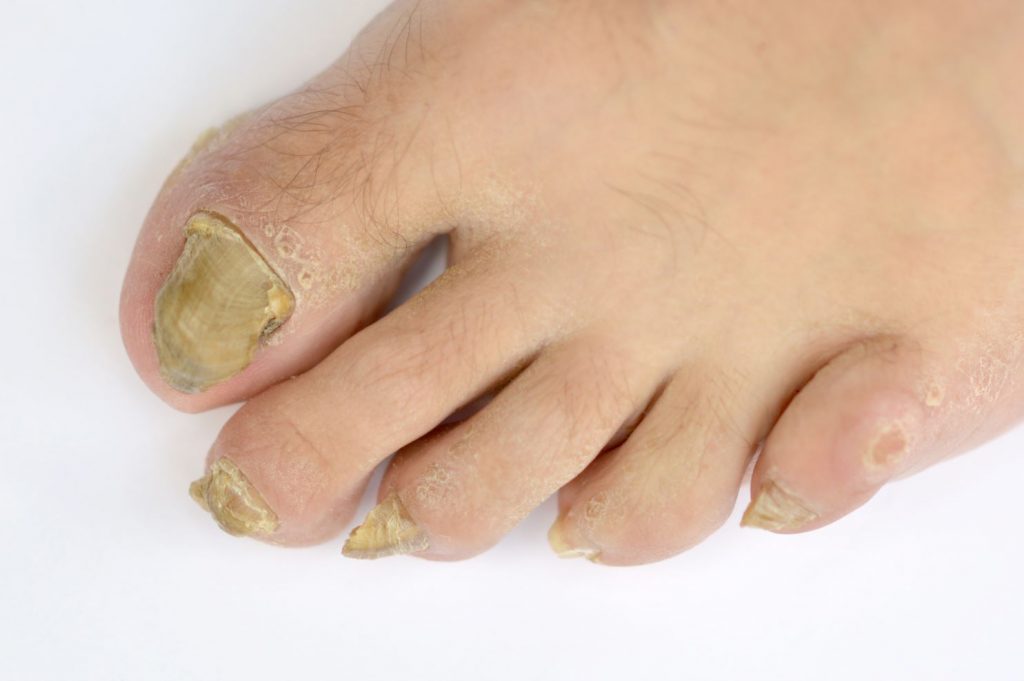
Fungal nails can present in various appearances. Signs and symptoms of fungal nails include:
The appearance of fungal nails determines their severity:
Nail fungal infections are stubborn and difficult to eradicate. Various home remedies often produce little to no improvements, leading to further spread and becoming severe. Therefore, managing them early to prevent further spread is essential.
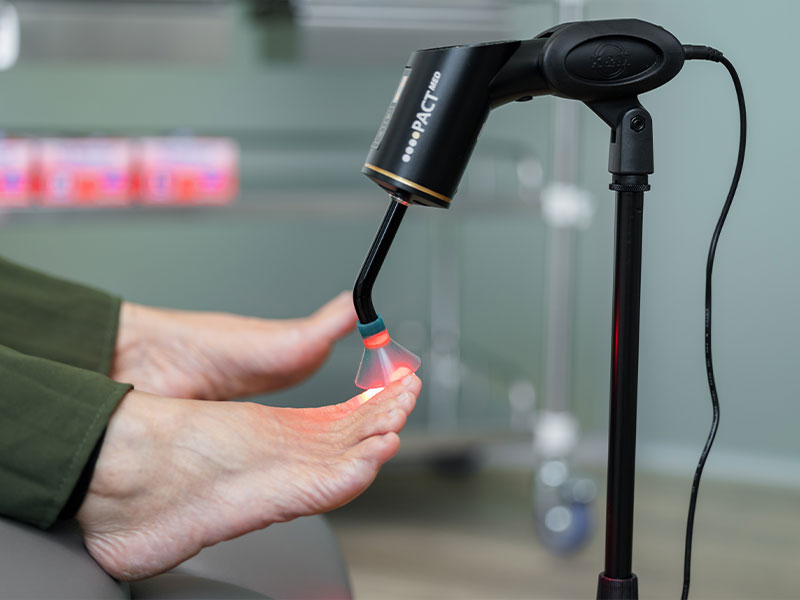
Options for nail fungal treatment in Singapore include:
Related Article
Unfortunately, Singapore’s hot and humid climate is ideal for fungi to thrive. Hence it increases our risk of developing fungal nail infections. Also, if you have to wear enclosed shoes often or like to visit public pools and showers, which can increase the risk of fungal nail infections.
Yes, it is possible to contract a fungal nail infection from pedicures or nail salons, especially if they do not sterilize their tools and equipment. You can minimize the risks by visiting reputable practices and bringing your own equipment. You should also avoid aggressive pedicure services, such as pushing the cuticles, as such services can create a portal of entry for fungi.
The total duration to manage a fungal nail depends on the extent of infection and the type of nail fungal treatment you require. For cases requiring PACT treatment, it can take between 3 to 6 weeks for a complete course. Otherwise, if you are taking topical or oral medications, it can take up to several months to complete. The fastest method is nail removal, but only severe cases require it. We recommend that you complete the entire course of nail fungal treatment given by your medical professional, whichever way you took, to ensure the best possible outcome.
You may have seen various home remedies recommendations on the web, such as tea tree oil or apple cider vinegar soaks. However, their effectiveness has yet to be proven, and many people see no improvement after trying them. Therefore, we still recommend seeking a podiatrist or healthcare professional for a proper diagnosis and management plan.
Yes, fungal nail infections can certainly recur if you give them the opportunity to start an infection again. Therefore, prevention is essential to minimize the risk of reinfection. You should maintain proper foot hygiene, keep your feet clean and dry, change your socks daily if you wear shoes, and avoid walking barefoot in public areas. If you experience recurring fungal toenail infections, consult a podiatrist or a medical professional for advice and further evaluation.
Fungal nails are easier to prevent than to treat. Therefore, you should remember the following tips: