What is In-toe Walking?

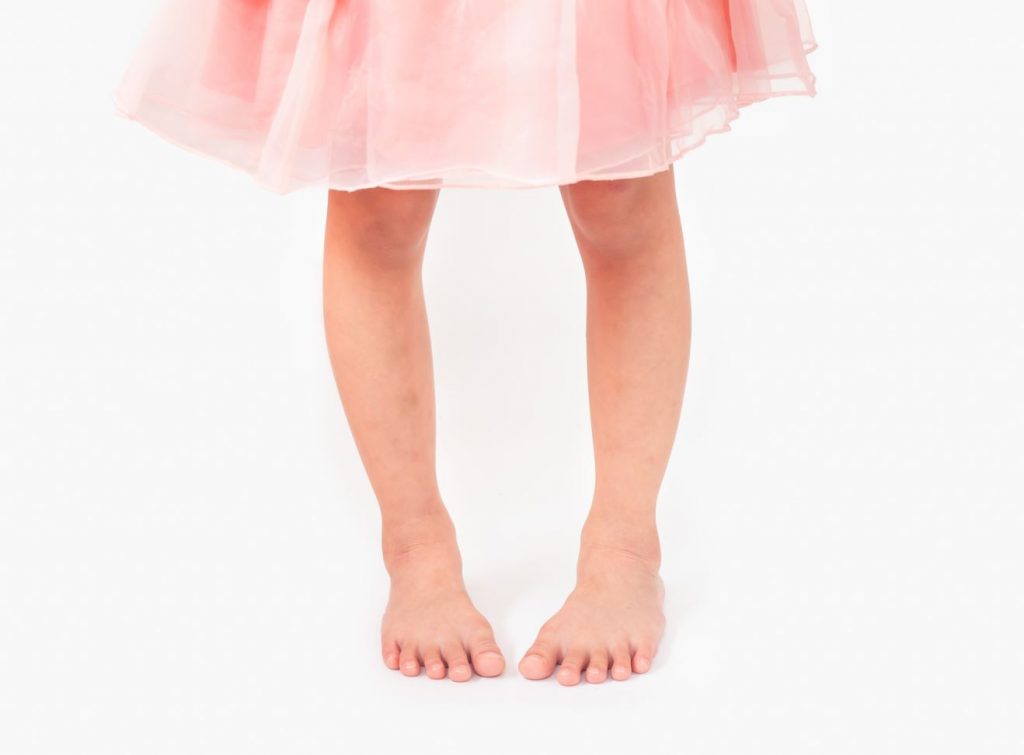
In-toe walking, also known as “Pigeon toes”, is a condition whereby a child is walking with their toes pointing inwards and facing each other. This condition is considered a form of gait abnormality and is one of the common causes of frequent tripping and falling in young children. It is also one of the most common paediatric conditions that parents often neglect even after noticing the problem.

How Common is In-toe Walking (Pigeon Toes)?

It is estimated that 1 in 10 children between the age of 2 and 5 years has an in-toe walking condition, with up to 30% of children affected at the age of 4.

Need Help? See Our Podiatrist Today

Causes of In-toe Walking

The most common cause of in-toe walking is atypical development of the musculoskeletal structure of the lower limb, which can occur at the hips, knee, leg, or foot level. There are also serious underlying conditions that can cause in-toe walking; therefore, a thorough assessment is necessary to evaluate the cause of the condition and determine if treatment is warranted.

Conditions associated with in-toe walking include:

Causes of in-toe walking include:

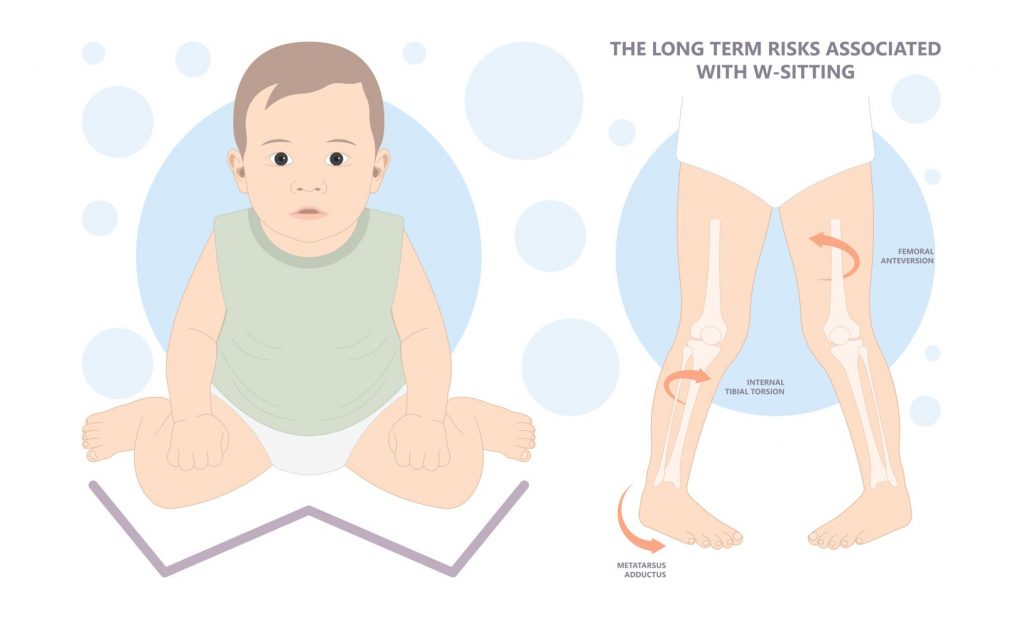
  • Femoral anteversion or increased internal femoral torsion
  • Increased internal tibial torsion
  • Metatarsus adductus
  • Lower limb muscular or soft tissue tightness
  • Leg length discrepancy
  • “W” sitting or kneel sitting

Signs and Symptoms of In-toe Walking

  • Walking with toes pointing inwards
  • Walking with kneecaps facing each other
  • Frequent tripping or falling
  • Frequent ankle sprains or twisting
  • Difficulty sitting cross-legged
  • Has a preference for sitting in a “W” position

In-toe Walking Management

The management for in-toeing walking depends largely on the underlying cause of the condition. Management, when required, should be initiated as early as possible so that there is a longer management=t window for change to occur. Children with mild cases of in-toe walking are possible to “grow out of it” by changing lifestyle habits, such as sitting cross-legged, along with proper stretching and strengthening exercises.

Management options include:

Share With Us 

Search

You May Also Like

Do You Have A Question? Ask Us...

Search

Do You Have A Question? Ask Us...

You May Also like

Categories

Categories

About Us

Conditions

Treatments

Feet

Ankle

Leg

Knee

Paediatric Conditions

Rheumatology

Skin & Nails

Diabetic Foot

Heel Pain

Foot Pain

Plantar Fasciitis

Achilles Tendonitis

Flat Feet

High Arch Foot Type

Arch Pain

Bunions

Hallux Rigidus

Sesamoiditis

Plantar Plate Injury

Metatarsalgia

Foot Drop

Tarsal Tunnel Syndrome

Baxter’s Nerve Entrapment

Clawed and Hammer Toes

Heel Spurs

Morton’s Neuroma

Accessory Navicular

Ankle Injuries

Posterior Tibial Tendon Dysfunction

Chronic Ankle Sprain

Acute Ankle Sprain

Talar Dome Injuries

Ankle Impingement

Knee Pain

Runner’s Knee

Jumper’s Knee

Meniscus Tear

Iliotibial Band Syndrome

Knee Osteoarthritis

Children’s Flat Feet

In-toe Walking

Toe Walking

Knock Knees

Paediatric Heel Pain

Juvenile Bunions

Osteochondrosis

Kohler’s Disease

Iselin’s Disease

Osgood-Schlatter Disease

Rheumatoid Arthritis

Gout

Fungal Nails

Plantar Warts

Ingrown Toenails

Fungal Skin

Corns and Calluses

Diabetic Peripheral Neuropathy

Diabetic Foot Ulcers

Peripheral Arterial Disease

Charcot Foot