
Conditions >>
An ingrown toenail is a common painful nail condition of the feet that occurs when the nail is cut into the sides of the skin of the toe. It is often caused by the way the toenail is cut or the natural curve of the nail. Some of the common ingrown toenail treatments in Singapore include ingrown toenail removal either through partial or total nail avulsion, which will be done under local anaesthesia.
An ingrown toenail can cause serious pain when wearing shoes or walking. The condition usually starts when a nail grows into the skin of the toe, causing a small wound. If not treated early, the skin break will not heal and an infection can happen. The result is a red, hot, and swollen toe, often seen with pus discharging from the sides.
It is vital to understand that taking antibiotics or applying antiseptic ointment will not cure an infected ingrown toenail because the nail spike is still sitting in the flesh. These medications can only contain the infection.
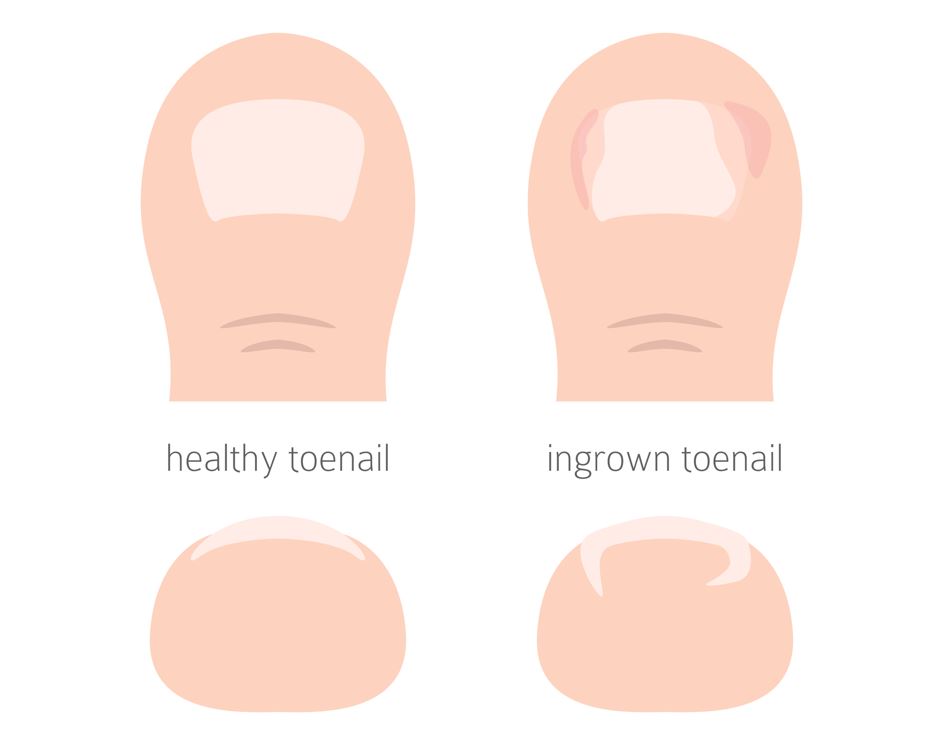
Ingrown toenails are generally caused by the way you trim your nails or a change in the shape of the toenails. Individuals with toenails that are either highly curved, known as involuted nails, or very wide nail plates, are at high risk of developing the problem. Without proper management, it can lead to recurrent ingrown toenails.
Other common causes include:
Factors that can lead to a change in nail shape:

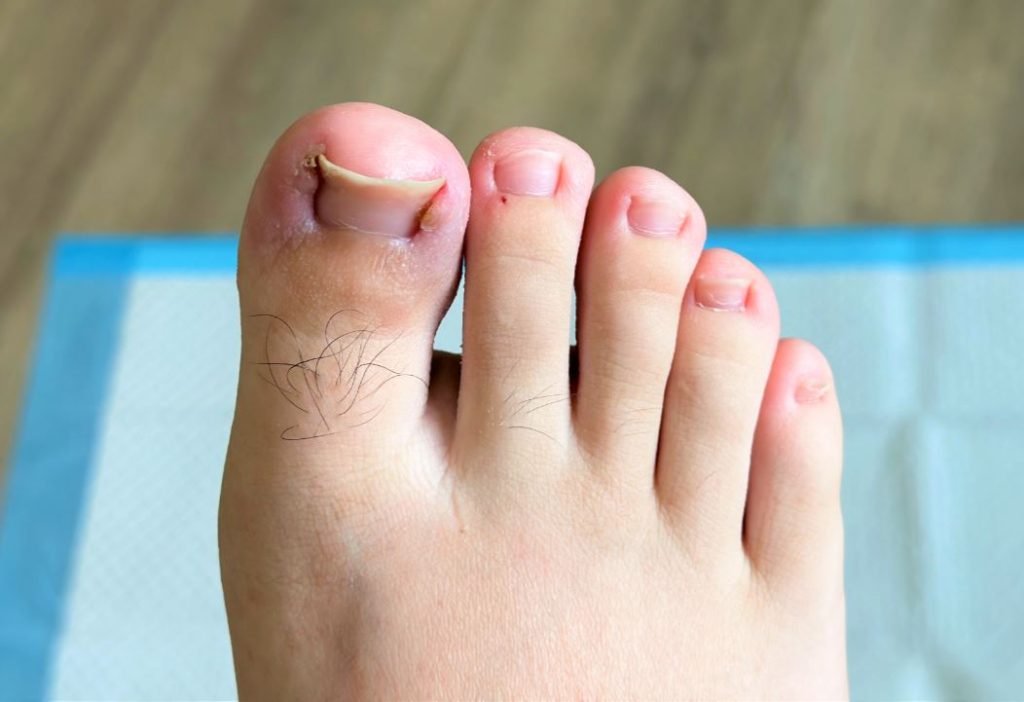
Treatment options for ingrown toenails in Singapore can provide temporary pain relief or a permanent cure. Understanding the cause and likelihood of recurrence is essential before deciding the best treatment option.
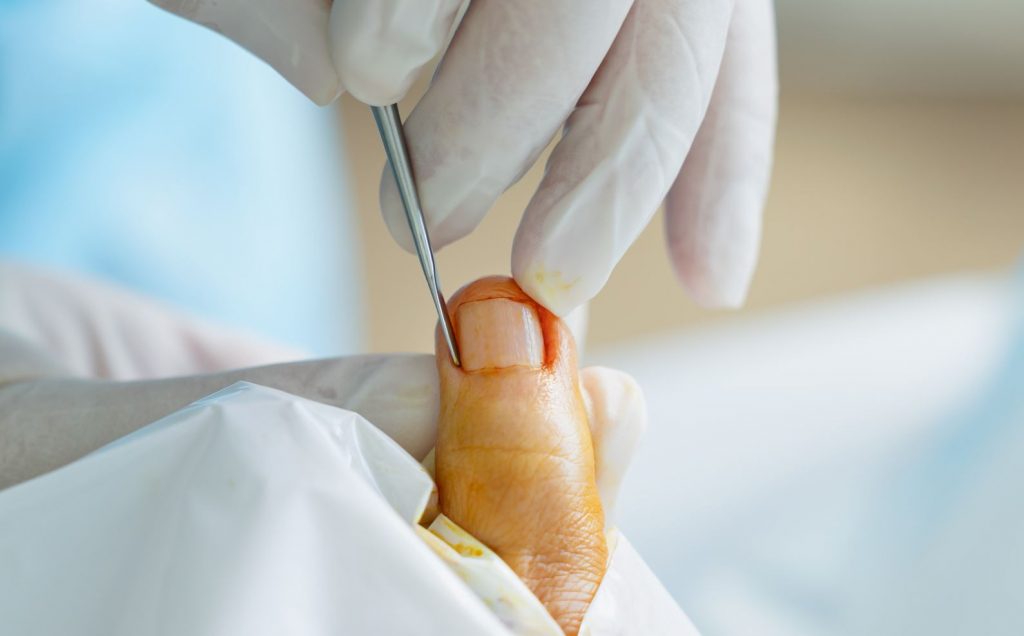
A permanent solution to manage ingrown toenails is usually done using a minimally invasive procedure known as partial nail avulsion with matrixectomy. It is a quick, painless, clinically proven ingrown toenail removal procedure and normally used for recurrent cases.
Other treatment options in Singapore include:
Repeated episodes of an ingrown toenail can easily happen once you have had it before, therefore it is essential to know how to prevent the condition from occurring.
Steps that you can do to prevent this include:
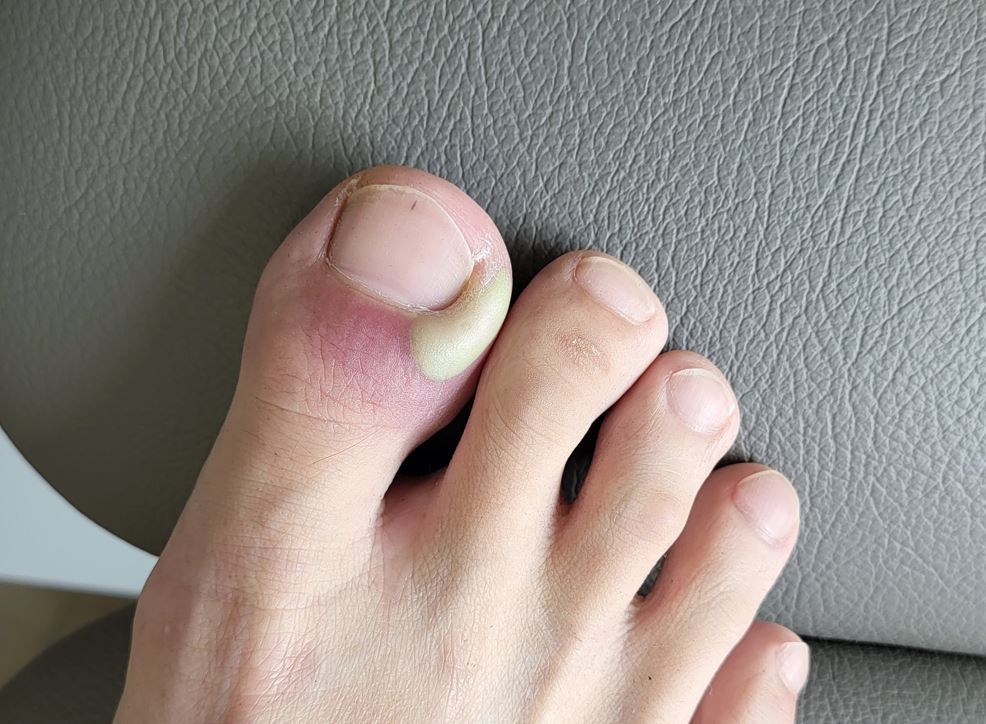
Things you should do when you have an ingrown toenail:
Improper handling of this condition can result in severe infection, especially in patients with low immunity. Many patients often neglect the condition in its early stages and have severe pain and infection.
If you are experiencing pain at the sides of the toenail, seek a medical professional or podiatrist early to receive proper ingrown toenail management.
Related Articles
Ingrown toenail treatment in Singapore refers to a range of medical interventions designed to help individuals dealing with this common condition. An ingrown toenail occurs when the edge of the nail grows into the skin surrounding the nail, causing pain, swelling, and redness. If left untreated, it can become infected, leading to further complications.
In Singapore, several different treatment options are available, ranging from conservative measures to surgical interventions. The treatment that’s right for you will depend on the severity of your condition, as well as your overall health and medical history.
Some of the most common ingrown toenail treatments in Singapore include:
Regardless of which treatment option you choose, it’s important to seek medical attention as soon as possible if you’re experiencing symptoms of an ingrown toenail. Delaying treatment can lead to further complications and make managing the condition more difficult.
If conservative measures and medications are ineffective, you may require an ingrown toenail removal surgery to remove the portion of the nail that’s causing the problem. Several different types of surgery are commonly performed in Singapore, including:
Regardless of which type of ingrown toenail removal surgery you undergo, it’s essential to follow your medical professional’s post-procedure instructions carefully. This is to ensure proper healing and to reduce the risk of complications.
Preventing ingrown toenails is often easier than treating them. Here are some tips to help you avoid this condition:
By following these tips, you can help reduce your risk of developing ingrown toenails. You will also keep your feet healthy and comfortable.
For very mild cases, ingrown toenails may heal on their own without medical intervention. However, it is important to note that if left untreated, it can also worsen and lead to infection, abscesses, and other complications.
We do not recommend cutting the affected nail yourself. By doing so, it can lead to further complications, such as infection or leaving a deeper nail spike behind. If you are experiencing symptoms of an ingrown toenail, it is important to seek medical attention from a qualified professional. They can provide a proper diagnosis and recommend the best course of management for your individual needs.
There are several home remedies that can be used to alleviate your pain and discomfort. Soaking the affected toe in warm water with Epsom salt can help to reduce swelling and inflammation. Avoid wearing any enclosed shoes for a couple of days may reduce pressure on the sides of the nail. Applying antiseptic such as iodine solution and covering the affected area with a bandage can also help to prevent infection.
It is important to see a podiatrist if you are experiencing persistent pain, swelling, or infection. You should also consult a podiatrist if you have been suffering from repeated episodes of ingrowing toenails and need a professional opinion and solution. At Straits Podiatry, our experienced team of podiatrists can provide ingrown toenail management tailored to your needs. Contact us today to schedule an appointment.