
Conditions >>
Iselin’s disease, also known as apophysitis of the fifth metatarsal base, is a child foot condition that causes pain in the outer foot. It is a type of osteochondrosis that causes pain at the styloid process of the fifth metatarsal – the long bone at the outer foot that connects to the smallest toe. This condition typically affects children and adolescents active in sports like basketball, football, or ballet.
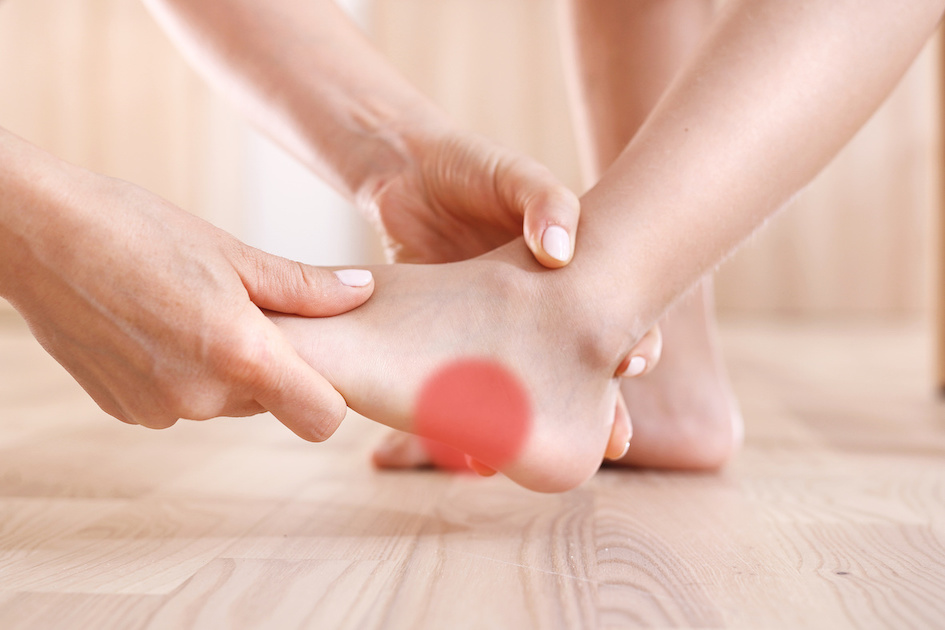
Iselin’s disease occurs when there is too much traction and stress of the peroneal tendons on the growth plate of the fifth metatarsal. The traction and stress are often due to:
Children with Iselin’s disease typically complain of:
We must review the patient’s history and conduct a thorough physical examination to diagnose Iselin’s disease correctly. Your medical professional may also recommend the following tests:
You must understand that it is unlikely to fully cure Iselin’s disease until the child matures and the growth plate fuses. Therefore, Iselin’s disease treatment will primarily focus on relieving pain and inflammation and addressing the condition’s underlying cause. Proper management allows the child to enjoy their activities with minimal discomfort.
Typical treatment options in Singapore include:
Iselin’s disease is a rare and often misdiagnosed children’s foot condition that can impact your child’s ability to participate in daily activities. Understanding the causes, symptoms, and management is essential for detecting the problem early and seeking proper help. If you feel that your child may have Iselin’s disease, it is important to consult a medical professional for an accurate diagnosis and management plan.
Early intervention can help ensure your child continues to enjoy what they like to do and prevent deterioration.
Other conditions, such as peroneal tendinitis, can mimic the symptoms of Iselin’s disease. Therefore, you cannot conclude that your child has the condition if they have pain on the outer foot. Our best recommendation is to bring your child to a paediatric podiatrist or medical professional for a thorough assessment.
While it is challenging to prevent Iselin’s disease completely, there are several risk factors that you and your child should take note:
Iselin’s disease is a condition that affects children’s feet only. This is because the growth plate fuses when we reach skeletal maturity. Therefore adults do not suffer from osteochondrosis.
No, you should not stop your child from participating in physical activities because they support your child’s normal development. The key to managing Iselin’s disease is ensuring your child can still enjoy physical activities with minimal discomfort.
Flat feet and high arch feet alter our gait pattern and can increase the stress of the peroneal tendons on the fifth metatarsal bones. So although there are no studies to suggest this, flat feet and high arch feet may increase the risk of developing Iselin’s disease.