
Conditions >>
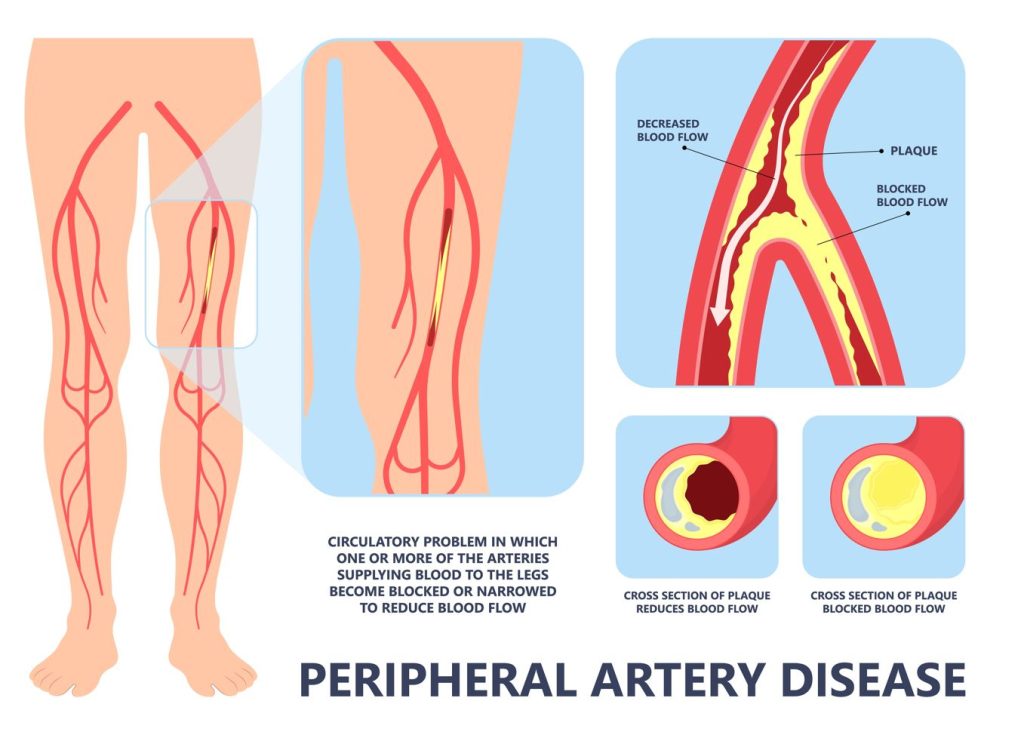
Peripheral arterial disease (PAD) is a common and serious condition affecting the arteries or blood vessels outside the heart and brain, leading to reduced or blocked blood flow. The lower limb (leg and feet) are most commonly affected and can lead to amputations.
People with diabetes have a higher risk of developing PAD because the high blood sugar levels damage blood vessels and impair blood flow. As a result, people with diabetes must manage their condition effectively and be vigilant about potential PAD symptoms.
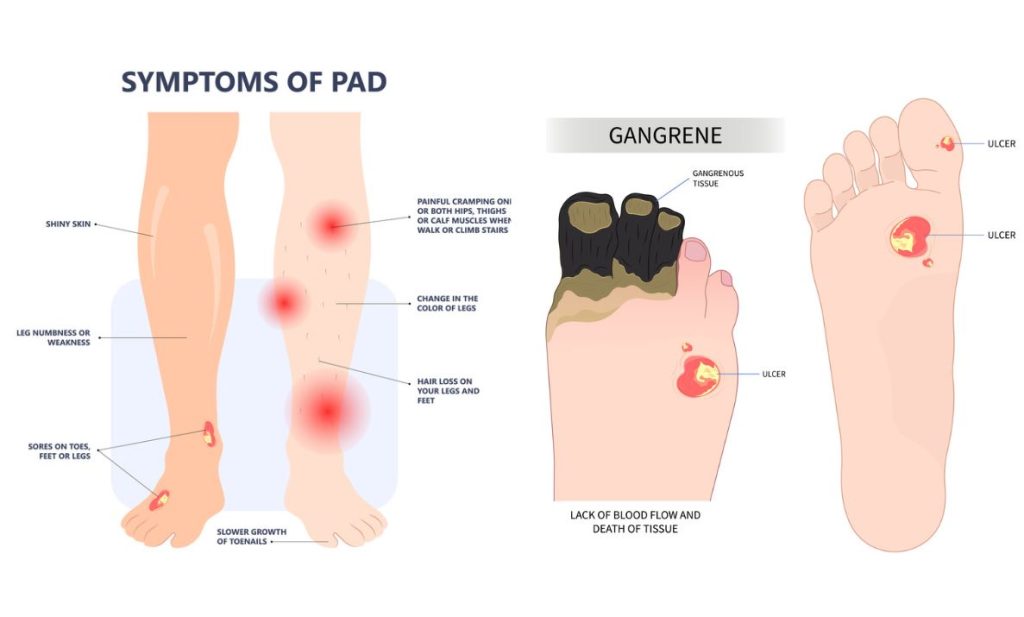
Symptoms of PAD may include:
Suppose you have any of the above symptoms or have a history of diabetes. In that case, you should consult a podiatrist or medical professional for further evaluation.
To diagnose PAD, we need to perform a comprehensive examination, which includes the following:
If PAD is suspected, your medical professional may refer you for further imaging, such as CT angiography and magnetic resonance angiography.
The treatment for PAD varies depending on the severity of the condition, which the imaging scans can determine. Restoring blood flow is urgently needed if there is the presence of a non-healing wound or when the patient is in severe pain.
Treatment options for PAD in Singapore include:
Peripheral Arterial disease can significantly impact wound healing, particularly in people with diabetes. When blood flow to the extremities is reduced or blocked, it leads to impaired delivery of oxygen and essential nutrients, resulting in slower wound healing and an increased risk of infection.
PAD’s Impact on Wounds:
Wounds with underlying PAD, especially diabetic foot wounds, should be handled with adequate care to prevent serious complications. Your podiatrist or healthcare professional should help you with the following:
You should seek medical attention for peripheral arterial disease (PAD) if you experience any related symptoms or signs, especially if you have diabetes, high blood pressure, high cholesterol, or smoking history. Related symptoms of PAD include:
You should maintain a balanced diet and aim for at least 150 minutes of moderate-intensity exercise. If you have diabetes, you should also closely monitor your blood sugar levels, take your medications as prescribed, and have regular follow-up reviews with your doctor. Lastly, check your feet daily for any skin breaks or appearance changes. You should seek medication immediately if you notice any unusual skin changes.
Unfortunately, PAD can potentially recur. If you have a history of PAD, you must monitor your condition and have regular reviews with your podiatrist or healthcare professional. Prompt medical attention can help you prevent complications such as tissue damage, infection, or amputation.
Wounds most commonly associated with PAD are leg and foot arterial ulcers, particularly in individuals with diabetes. These ulcers result from reduced arterial blood flow and, if left untreated, can lead to tissue death or amputations.
Gangrene is the end-stage of PAD, where the reduction in blood flow causes tissue to die extensively. Gangrene typically begins from the toes. If the PAD remains untreated, it will progressively spread towards the foot and ankle.
Your medical professional will guide you on follow-up care, which generally includes regular check-ups, blood tests, and imaging studies to monitor your condition. Long-term management usually involves lifestyle modifications, medication adjustments, and ongoing collaboration with your healthcare team to address all underlying risk factors and prevent complications.