
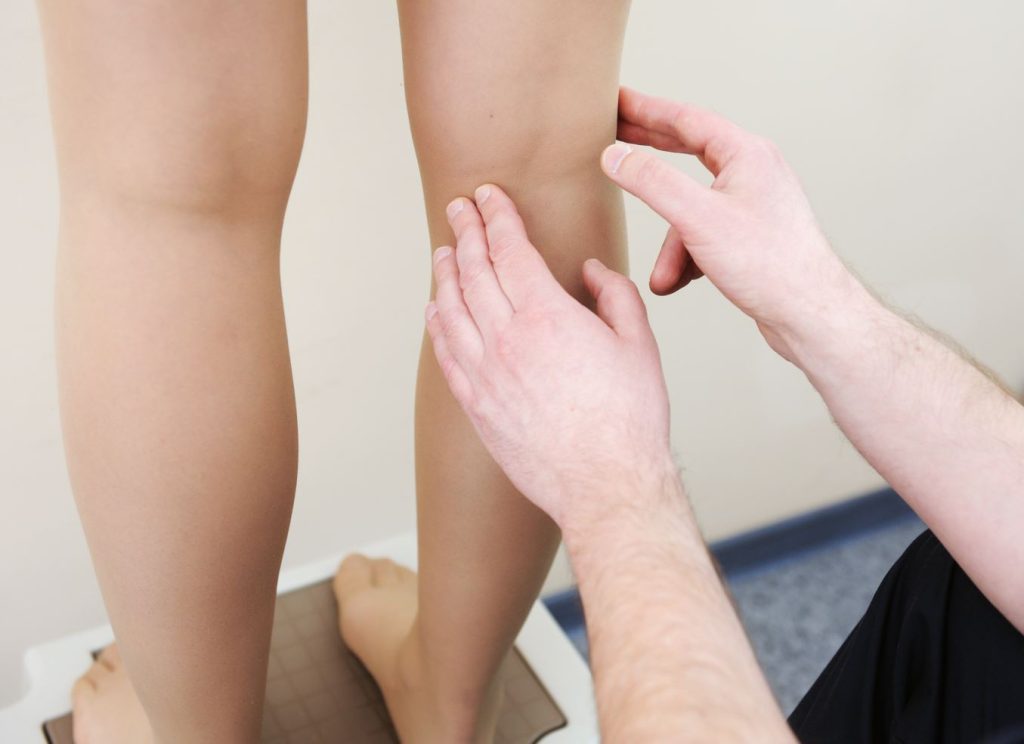
At Straits Podiatry, we understand that postural issues in children can be a concerning matter for parents. Poor postural habits can lead to a wide range of musculoskeletal problems in the future, making it essential to address them early on. In this article, we’ll take a closer look at common postural issues in children and explore how podiatry can help address these problems.
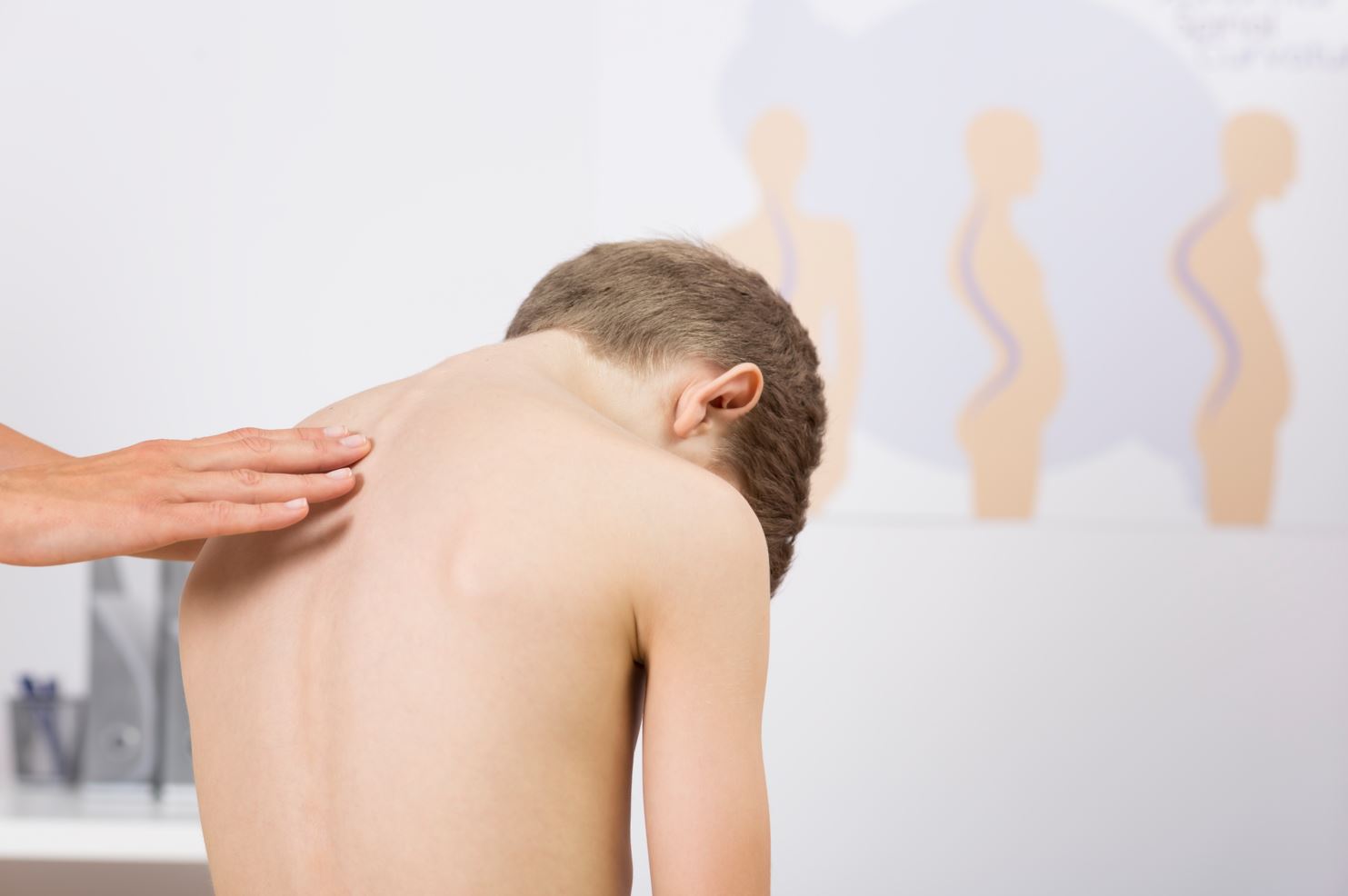
Understanding Postural Issues in Children
Posture refers to the alignment of the body’s joints and muscles while standing, sitting, or lying down. When a child has poor posture, it means that their body is not aligned correctly. This can cause potential strain on their muscles, bones, and ligaments. In the long term, poor posture can cause chronic pain and even structural malalignment.
Common postural issues in children include:
Flat Feet
Flat feet are a common postural issue in children, where the arch of the foot collapses, causing the entire foot to make contact with the ground. This lead to overpronation (inward rolling of the feet) and can cause issues such as ankle pain, knee pain, and lower back pain.
Knock Knees
Knock knees occur when a child’s knees come together while standing, while their ankles remain apart. This condition can cause an imbalance in the body’s alignment, leading to potential issues in the feet, hips, and spine.
Toe Walking
Toe walking is a habit where a child walks on their toes, without their heels touching the ground. While toe walking is not always a problem, it can cause problems if the child does it long-term. Toe walking causes issues with the calf muscles, Achilles tendon, and even leads to balance issues.
Leg Length Discrepancy
Leg length discrepancy is a condition where one leg is longer than the other. The difference in leg length can cause uneven hips and potentially scoliosis of the spine.
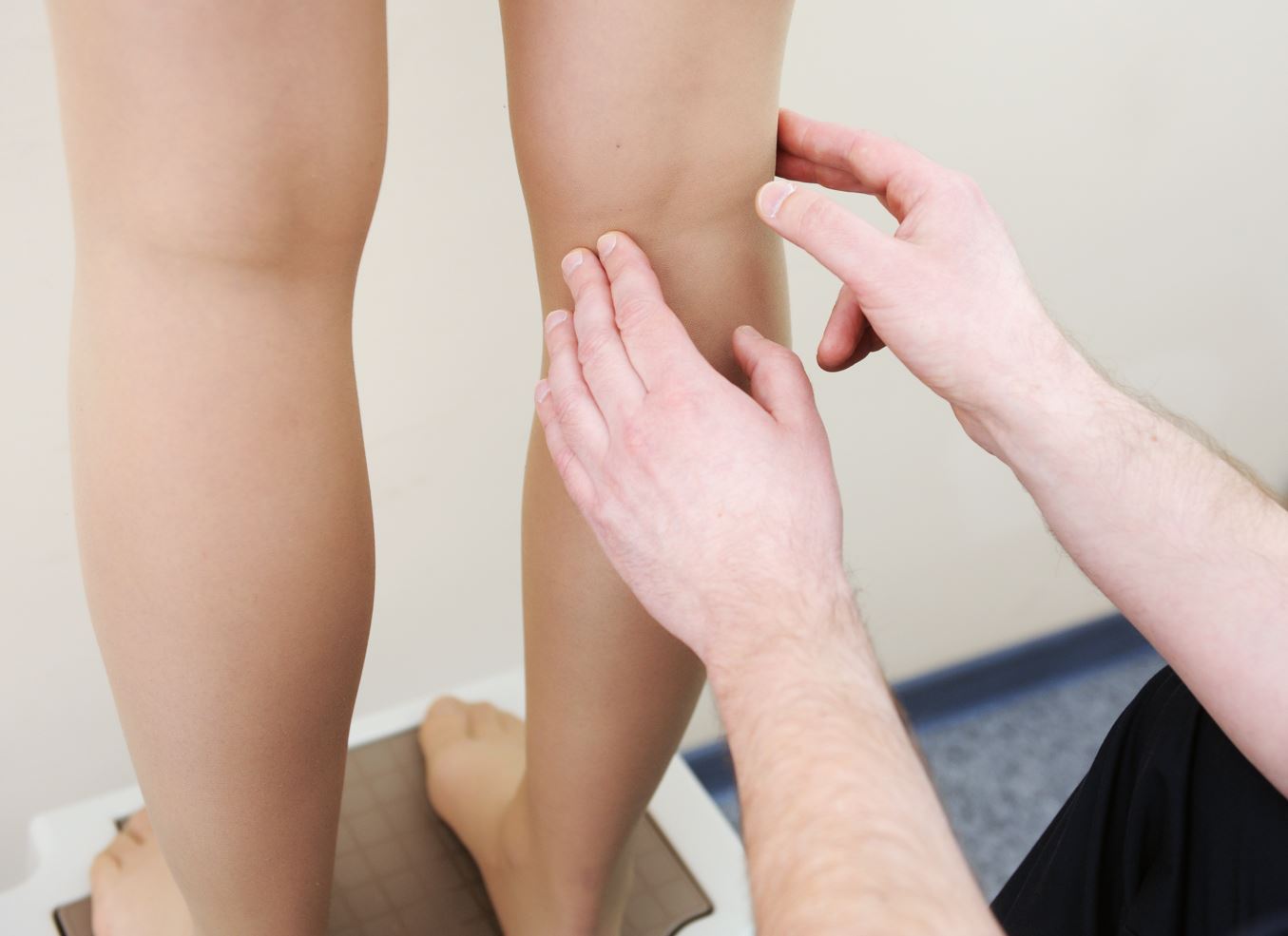
What are postural disorders in children?
Postural disorders are conditions that affect a child’s posture while standing, sitting, or lying down. These conditions can affect the alignment of the joints and muscles and can lead to chronic pain and discomfort if left untreated.
What causes poor posture in children?
There are a variety of factors that can cause poor posture in children, including:
- Spending too much time in sedentary activities, such as watching TV or playing video games
- Carrying heavy backpacks or school bags
- Poorly designed furniture, such as non-ergonomically designed desks and chairs
- Certain medical conditions, such as scoliosis or cerebral palsy
What are the 3 common posture problems?
The three most common posture problems in children are:
- Flat Feet – where the arch of the foot collapses, causing the entire foot to make contact with the ground.
- Knock Knees – where a child’s knees come together while standing, while their ankles remain apart.
- Toe Walking – where a child walks on their toes, without their heels touching the ground.
- Leg Length Discrepancy – where a child has a longer leg on one side.
What are the 4 types of postural disorder?
There are four main types of postural disorders that can affect children:
- Kyphosis – This is a condition where the upper back is excessively curved in a “hunchback” appearance. Poor posture, spinal injuries, or developmental problems can cause kyphosis.
- Lordosis: This is a condition where the lower back is excessively curved, causing the abdomen and buttocks to stick out. Lordosis can be caused by poor posture, obesity, or muscular imbalances.
- Scoliosis: This is a condition where the spine is curved to the side, resulting in an “S” or “C” shape. Scoliosis can be caused by developmental problems, spinal injuries, or genetic factors.
- Flat Feet: This is a condition where the arches of the feet are collapsed, causing the entire foot to touch the ground. Flat feet can be caused by genetic factors, muscular imbalances, or excessive weight-bearing activities.
How Can Podiatry Help?
Podiatrist can help to address postural disorders in children when the underlying cause is arising from the lower limb. This includes an assessment of flat feet, leg length discrepancy, and your child’s gait pattern.
Treatment options are usually dependent on the underlying cause but can include:
- Customised foot orthoses
- Supramalleolar orthoses
- Knee braces
- Exercises and rehabilitation
At Straits Podiatry, we offer a range of management options that can help address postural issues in children. Our team of experienced podiatrists can assess your child’s posture, gait, and foot structure, and recommend appropriate solutions.
Conclusion
Postural issues in children can be a concern for parents, but they can be effectively addressed with the right management. At Straits Podiatry, our team of experienced podiatrists can help assess your child’s posture and recommend appropriate management. Contact us today to schedule an appointment and take the first step towards better postural health for your child.

Jackie Tey
Chief Podiatrist, B.Pod(Hons). Your foot and lower limb specialist passionate about raising awareness for foot and lower limb health.