


Ingrown Toenails in Children: Causes, Symptoms, and Management in Singapore

As parents, we are always concerned about our children’s health. One of the common foot conditions that affect children is ingrown toenails. It can cause discomfort, pain, and sometimes lead to infection if left untreated. In this article, we will discuss the causes, symptoms, and the best solutions available for ingrown toenails in children in Singapore to help you and your child get relief from this condition.

Understanding Postural Issues in Children

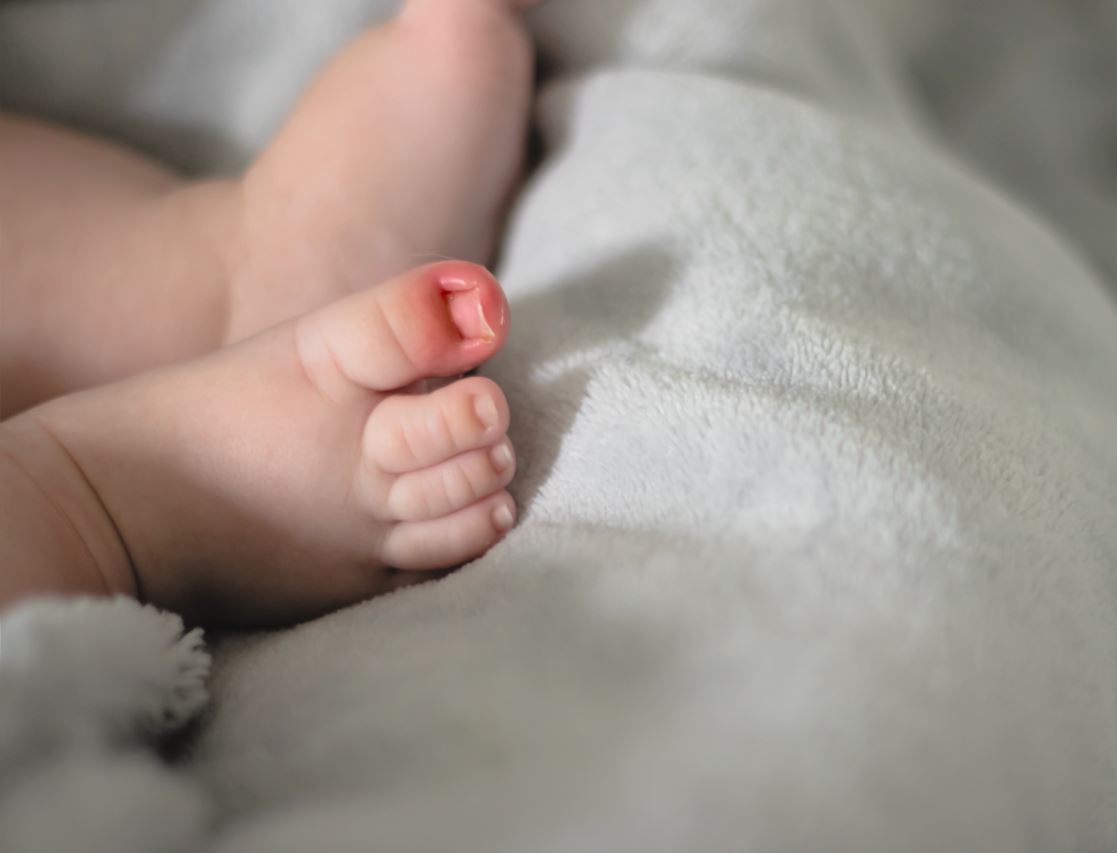
Ingrown toenails in children occur when the edge of the toenail grows into the surrounding skin, causing pain and discomfort. It can affect any toe, but it is more common in the big toe. Ingrown toenails can be caused by a variety of factors, such as improper nail trimming by parents, wearing tight shoes, or injury to the toe.

Ingrown toenails also occur in infants as young as a few days old.

Causes of Ingrown Toenails in Children

Ingrown toenails in children can be caused by several factors, including:

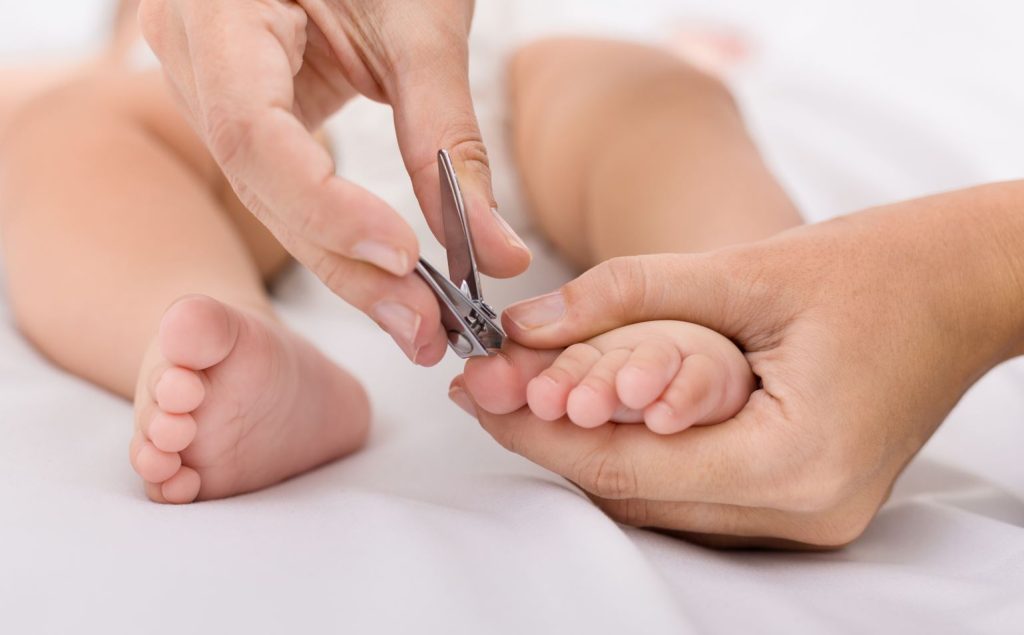
  1. Poor nail trimming techniques: Cutting the toenail too short or rounding the edges can cause the nail to grow into the surrounding skin.
  2. Tight-fitting shoes: Wearing shoes that are too small or narrow can put pressure on the toenails and cause them to grow into the skin. Learn how to select the right shoe for you.
  3. Injury to the toe: Stubbing the toe or dropping a heavy object on it can cause the nail to grow into the skin.

Symptoms of Ingrown Toenails

The most common symptom of an ingrown toenail in children is pain and discomfort. Other symptoms include:

  1. Redness and swelling around the affected nail
  2. Tenderness to touch
  3. Pus or discharge around the nail
  4. Difficulty walking or wearing shoes

Management of Ingrown Toenails in Children

There are several treatments available in Singapore. The treatment options depend on the severity of the condition.

  1. Soak the affected foot in warm water: Soaking the foot in warm water for 15-20 minutes, 2-3 times a day, can help reduce pain and swelling.
  2. Nail trimming: Your podiatrist may trim the nail spike to provide immediate pain relief.
  3. Antibiotics: If the ingrown toenail is infected, your podiatrist may refer you to see a GP for antibiotics after the nail spike is removed.
  4. Surgical Treatment: This is rarely performed for children with ingrown toenails and is only conducted if the condition is very severe.

Conclusion

Ingrown toenails in children can cause pain and discomfort if left untreated. It is important to seek medical attention if your child experiences any symptoms of an ingrown toenail. At Straits Podiatry in Singapore, our experienced podiatrists specialize in the management of foot and ankle conditions, including ingrown toenails. Contact us today to schedule an appointment and let us help your child get relief from this condition.

Picture of Jackie Tey

Jackie Tey

Chief Podiatrist, B.Pod(Hons). Your foot and lower limb specialist passionate about raising awareness for foot and lower limb health.

Share this with someone you know

Search

You May Also Like

Do You Have A Question? Ask Us...

Search

Do You Have A Question? Ask Us...

You May Also like

About Us

Conditions

Treatments

Feet

Ankle

Leg

Knee

Paediatric Conditions

Rheumatology

Skin & Nails

Diabetic Foot

Heel Pain

Foot Pain

Plantar Fasciitis

Achilles Tendonitis

Flat Feet

High Arch Foot Type

Arch Pain

Bunions

Hallux Rigidus

Sesamoiditis

Plantar Plate Injury

Metatarsalgia

Foot Drop

Tarsal Tunnel Syndrome

Baxter’s Nerve Entrapment

Clawed and Hammer Toes

Heel Spurs

Morton’s Neuroma

Accessory Navicular

Ankle Injuries

Posterior Tibial Tendon Dysfunction

Chronic Ankle Sprain

Acute Ankle Sprain

Talar Dome Injuries

Ankle Impingement

Knee Pain

Runner’s Knee

Jumper’s Knee

Meniscus Tear

Iliotibial Band Syndrome

Knee Osteoarthritis

Children’s Flat Feet

In-toe Walking

Toe Walking

Knock Knees

Paediatric Heel Pain

Juvenile Bunions

Osteochondrosis

Kohler’s Disease

Iselin’s Disease

Osgood-Schlatter Disease

Rheumatoid Arthritis

Gout

Fungal Nails

Plantar Warts

Ingrown Toenails

Fungal Skin

Corns and Calluses

Diabetic Peripheral Neuropathy

Diabetic Foot Ulcers

Peripheral Arterial Disease

Charcot Foot