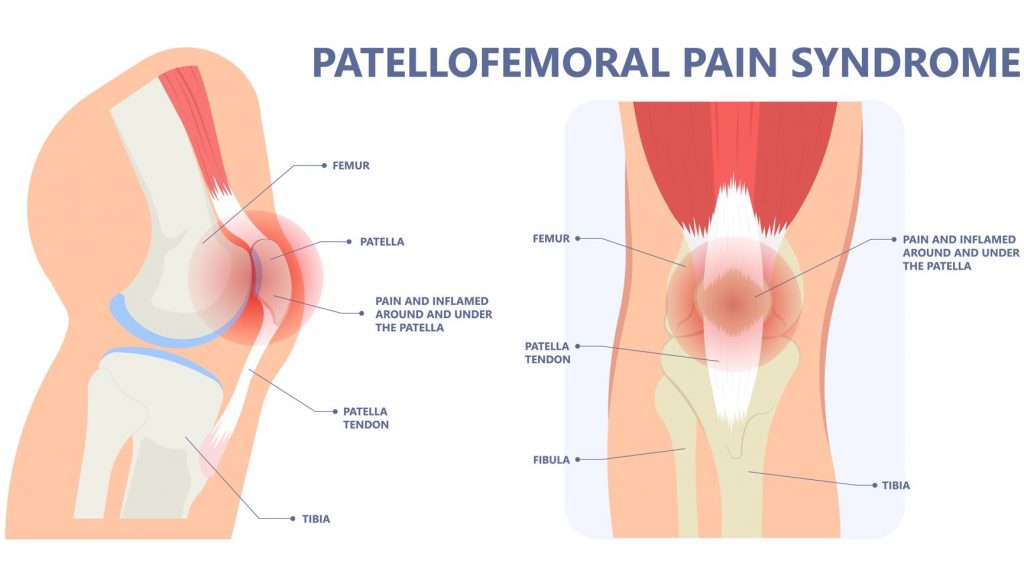
Runner’s knee, medically termed Patellofemoral Pain Syndrome or Chondromalacia Patella, is a common condition that causes knee pain around or deep to the kneecap. It is an overuse injury due to repetitive stress that occurs in the joint between the kneecap and the thigh bone. This condition can occur at any age but frequently affects the younger population, especially females or active individuals who run, jump or perform squats frequently. If left untreated, this condition can potentially result in kneeosteoarthritis.
Causes of Runner's Knee
Runner’s knee occurs when there is increased pressure on the kneecap (patella) against the thighbone (femur). The increased pressure causes the kneecap to grind against the thighbone and creates damage to the articular cartilage. This leads to pain and inflammation within the patellofemoral joint. The increase in pressure is due to several risk factors.
Tight iliotibial band or imbalances of thigh muscles
Joint hypermobility
Knock knees or high Q angle
Flatfeet or excessive pronation of the foot
Hard training surfaces
Poor footwear
Signs & Symptoms of Runner's Knee
Signs and symptoms of Runner’s Knee include:
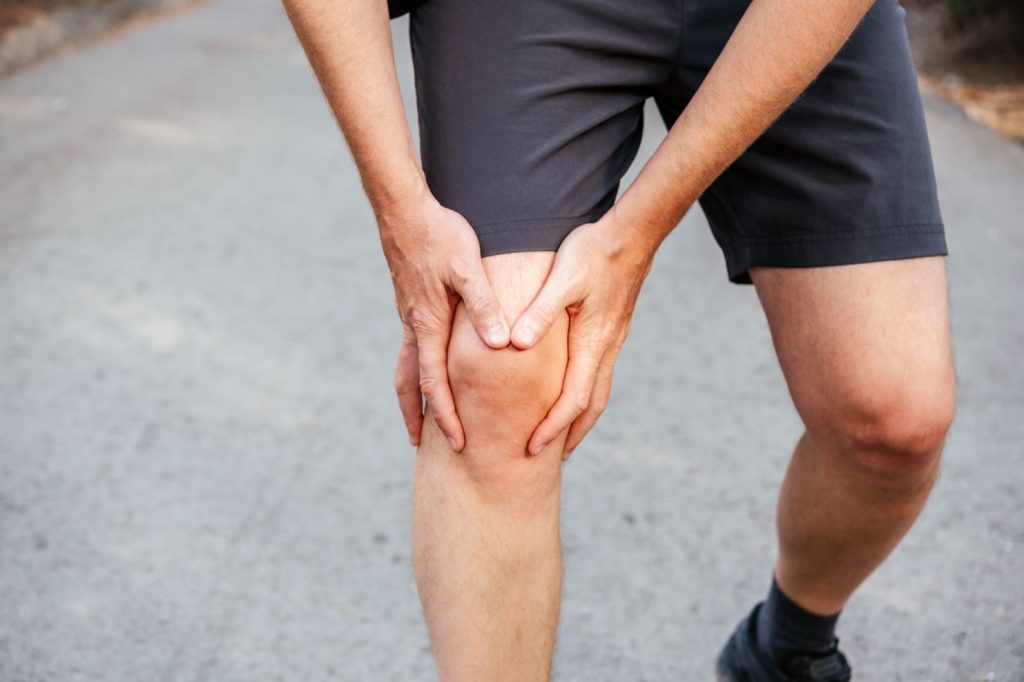
Dull, aching pain at the front of the knee, around the kneecap or deep to the kneecap
Patients are often unable to pinpoint the exact location or pain
Pain during physical activities (run, jump or squat) or climbing stairs
Cracking or popping sound from the knee joint
Pain after prolonged periods of sitting with the knee bent
Runner’s Knee Treatment in Singapore
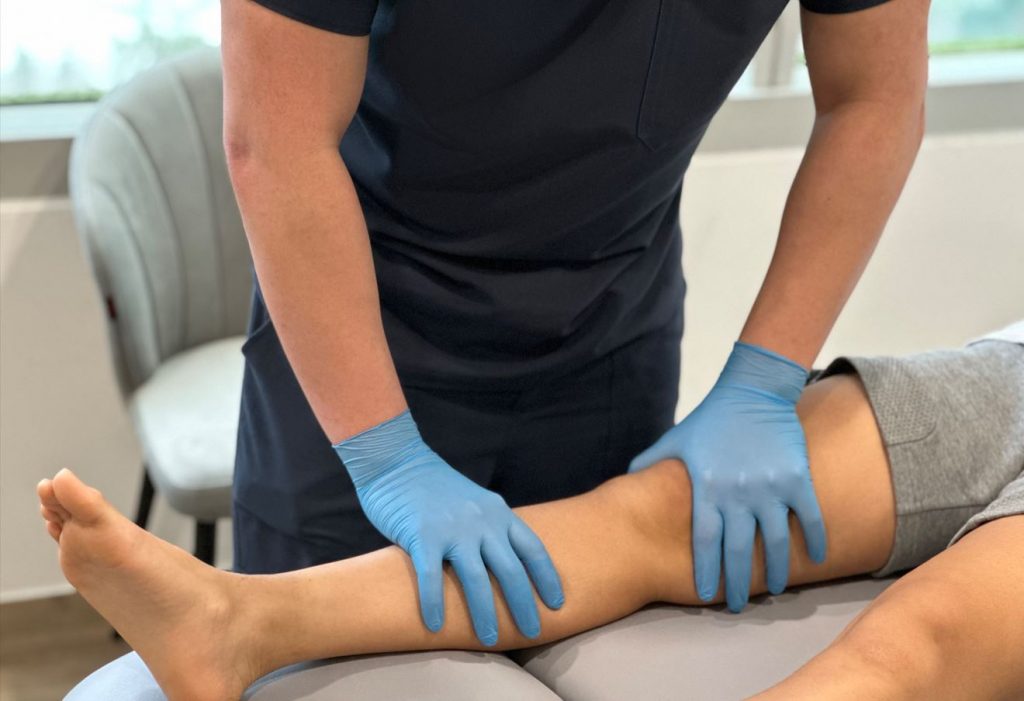
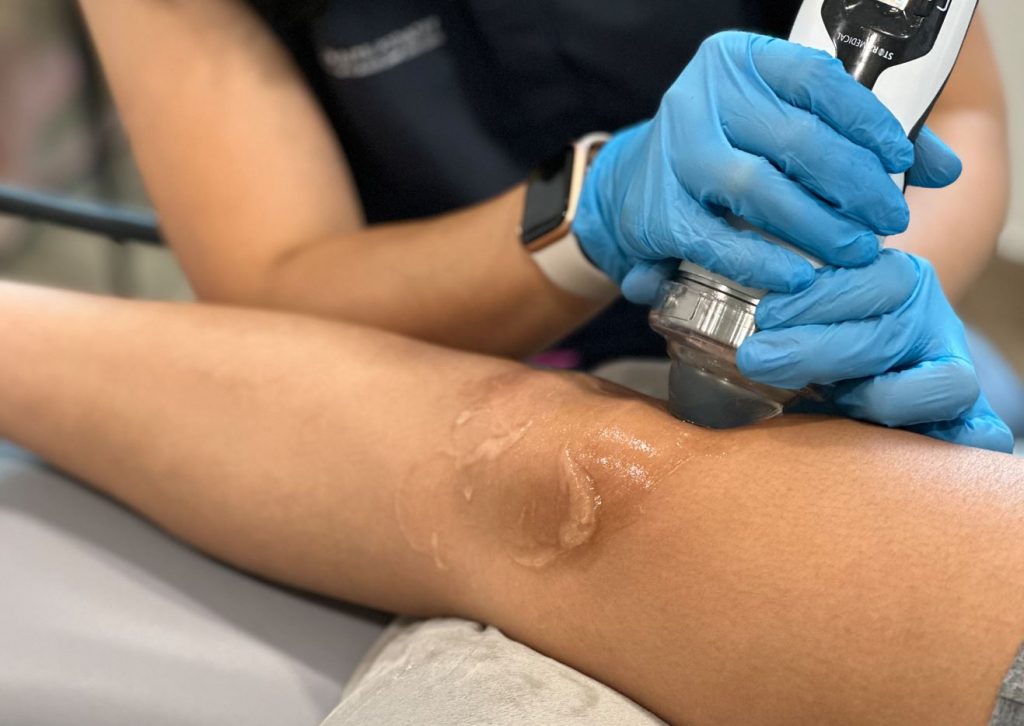
Management options for Runner’s knee vary depending on the severity of the condition. It is essential to address the injured area and the underlying cause to achieve the best relief.
Treatment options for Runner’s knee in Singapore include:
Activity modification and change of footwear
Over-the-counter medication may be recommended by your doctor for pain relief