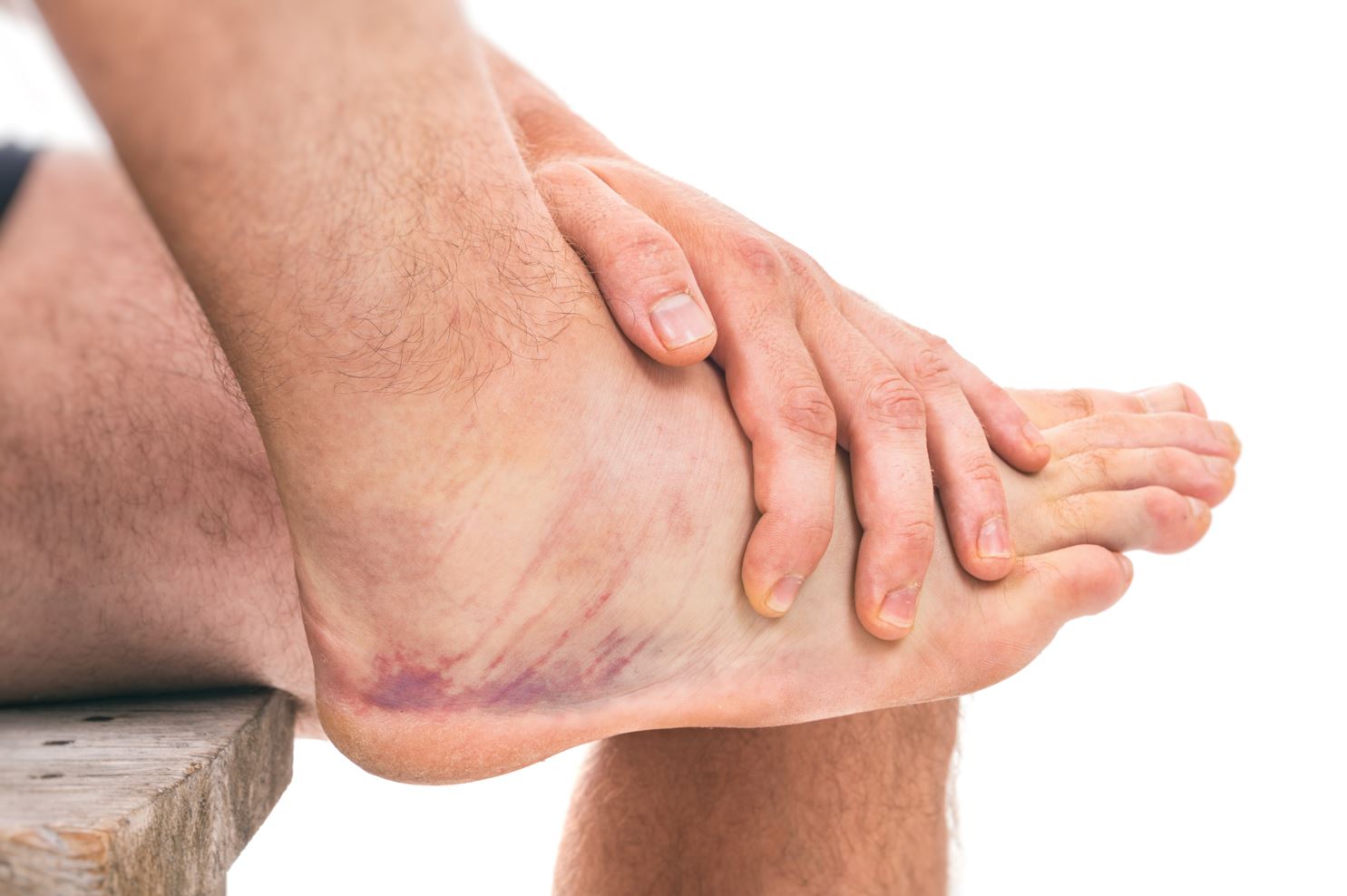
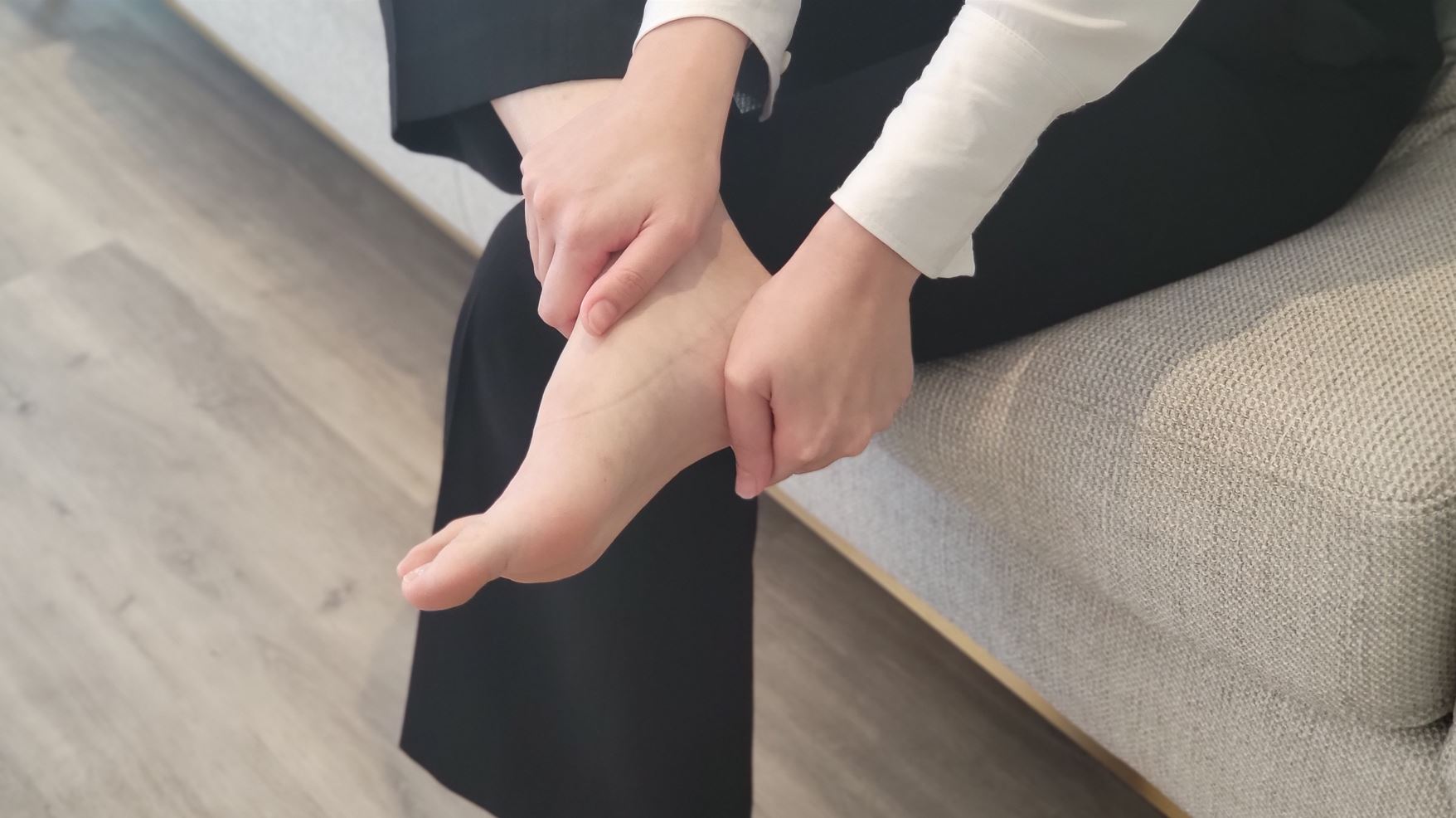
One of the most common injuries in the ankle is an acute ankle sprain. It occurs when the ankle is forcefully stretched beyond its normal range of motion. The patient’s ankle becomes swollen, and painful, and is difficult to put weight on that ankle. Ankle sprains often happen during sports such as basketball or badminton, and when running or hiking on uneven grounds.
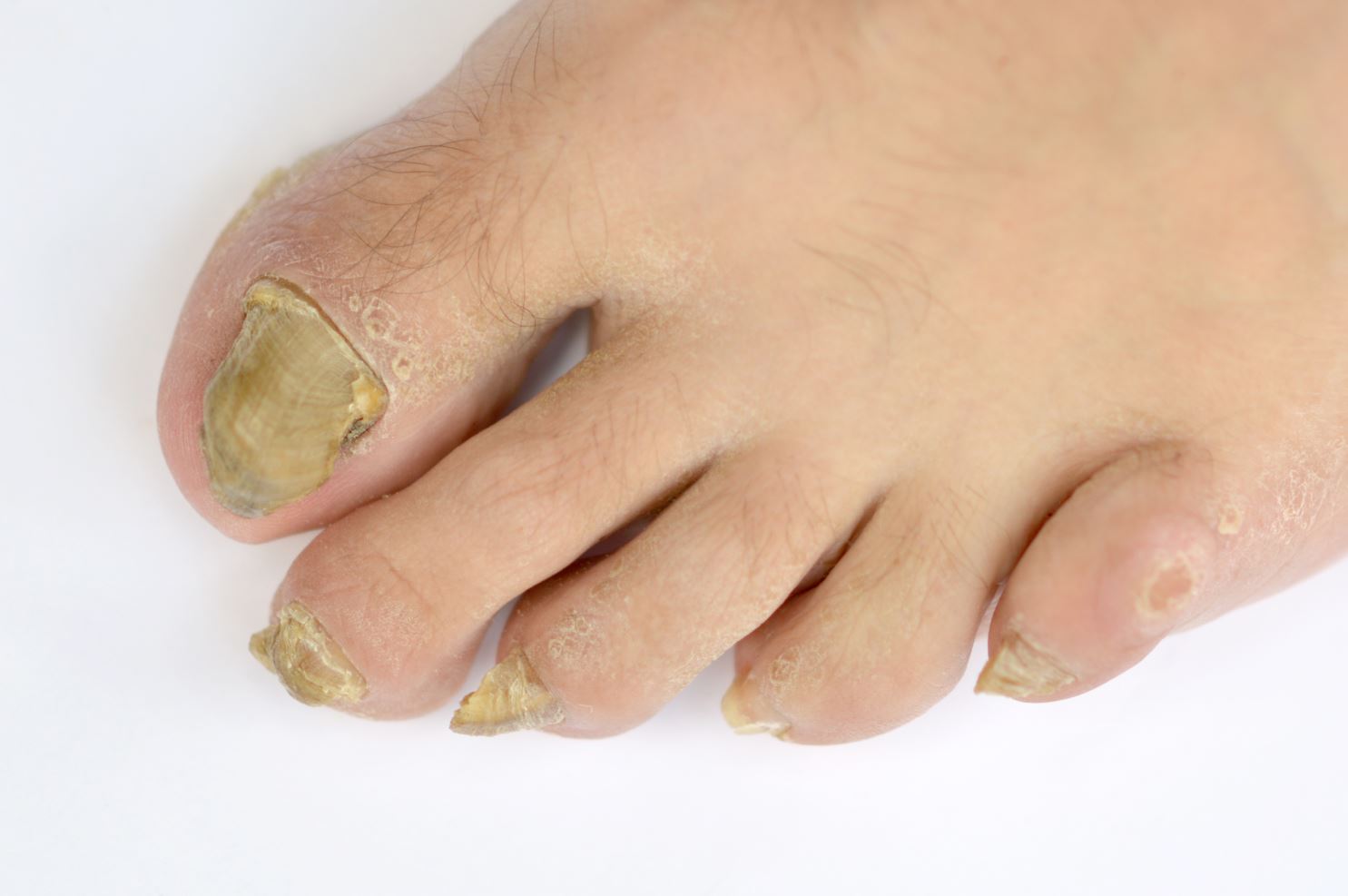
Fungal nails (Nail Fungus), also known as onychomycosis or tinea unguium, are a fungal infection of the nails. Fungal nails are usually discoloured, crumbly, thickened, and brittle in appearance. They can also cause foul odour at times. Fungal nails, if untreated, can spread to the surrounding nail or skin. Likewise, if you have a fungal skin infection, like the athlete’s foot, you can cause the infection to spread to the nails.
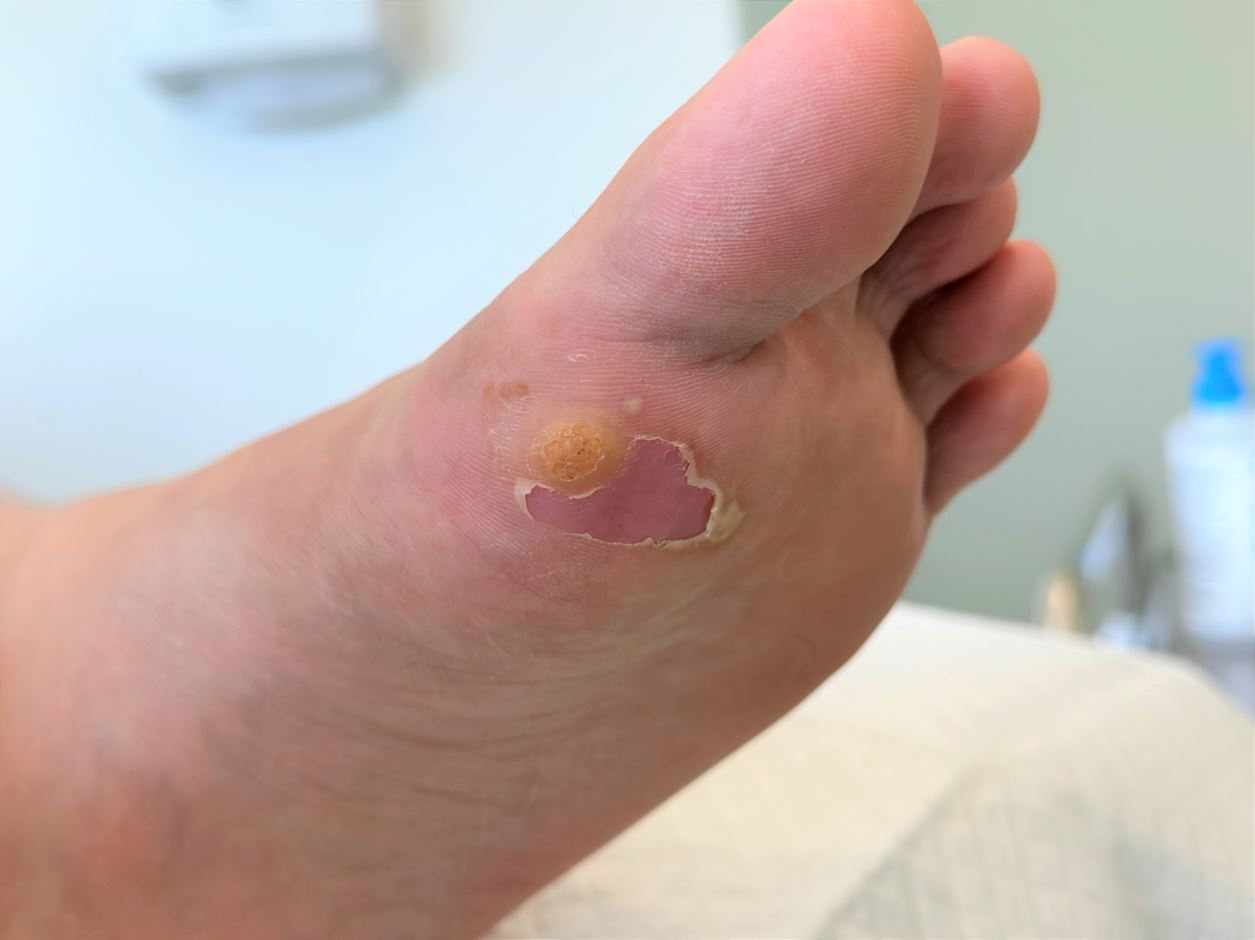
Plantar warts or verruca plantaris is a viral infection of the skin caused by the human papillomavirus (HPV). They are also known as foot warts because they usually appear on the underside of the foot. Plantar wart typically causes an area of hard, thickened skin that grows larger over time. It may or may not be painful, depending on its size and location. Plantar warts can look very similar to calluses or corns, so it is important to diagnose them correctly to get the correct plantar wart management in Singapore.
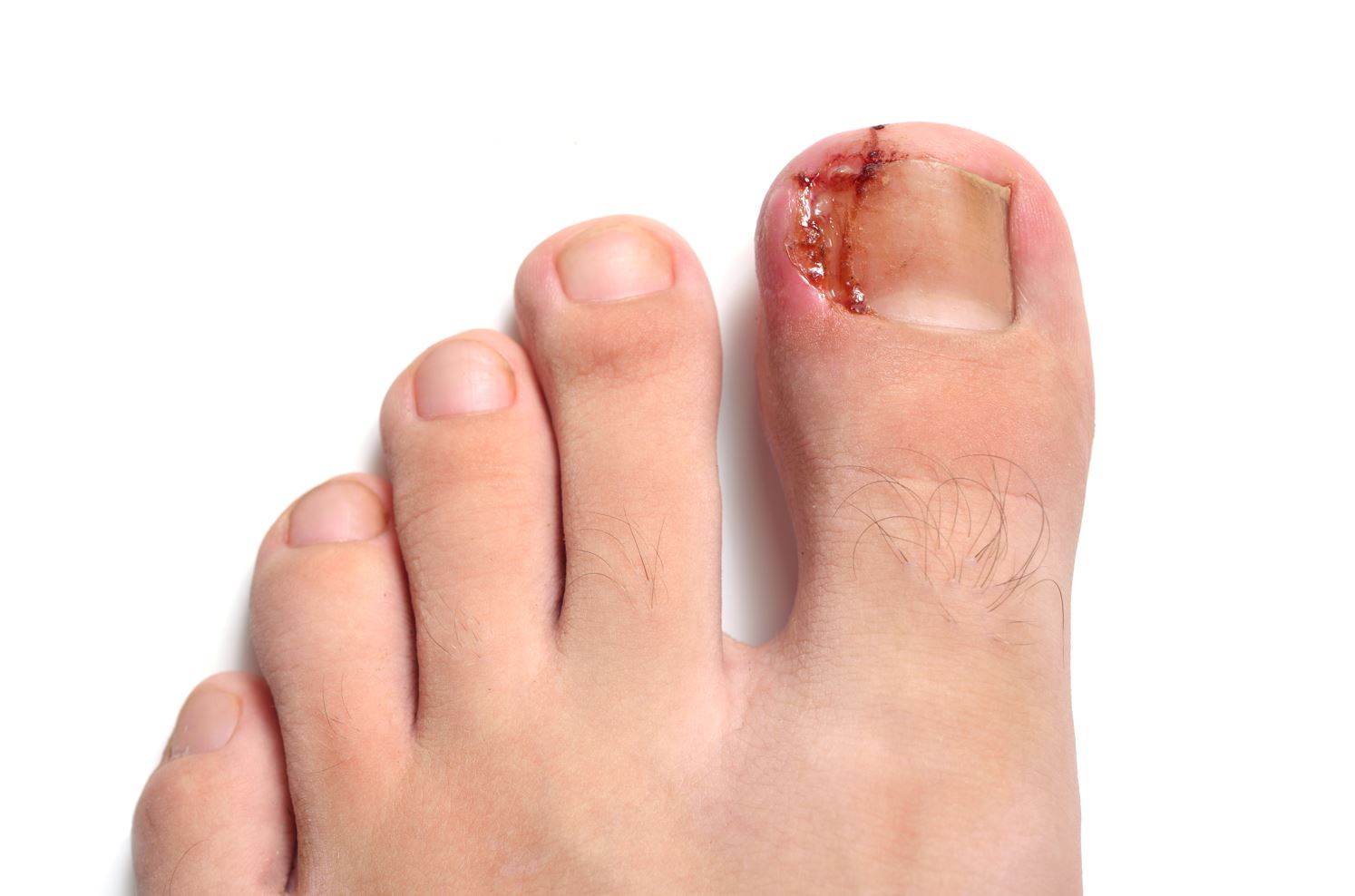
An ingrown toenail is a common painful nail condition of the feet that occurs when the nail is cut into the sides of the skin of the toe. It is often caused by the way the toenail is cut or the natural curve of the nail. Some of the common ingrown toenail treatments in Singapore include ingrown toenail removal either through partial or total nail avulsion, which will be done under local anaesthesia.
An ingrown toenail can cause serious pain when wearing shoes or walking. The condition usually starts when a nail grows into the skin of the toe, causing a small wound. If not treated early, the skin break will not heal and an infection can happen. The result is a red, hot, and swollen toe, often seen with pus discharging from the sides.
It is vital to understand that taking antibiotics or applying antiseptic ointment will not cure an infected ingrown toenail because the nail spike is still sitting in the flesh. These medications can only contain the infection.
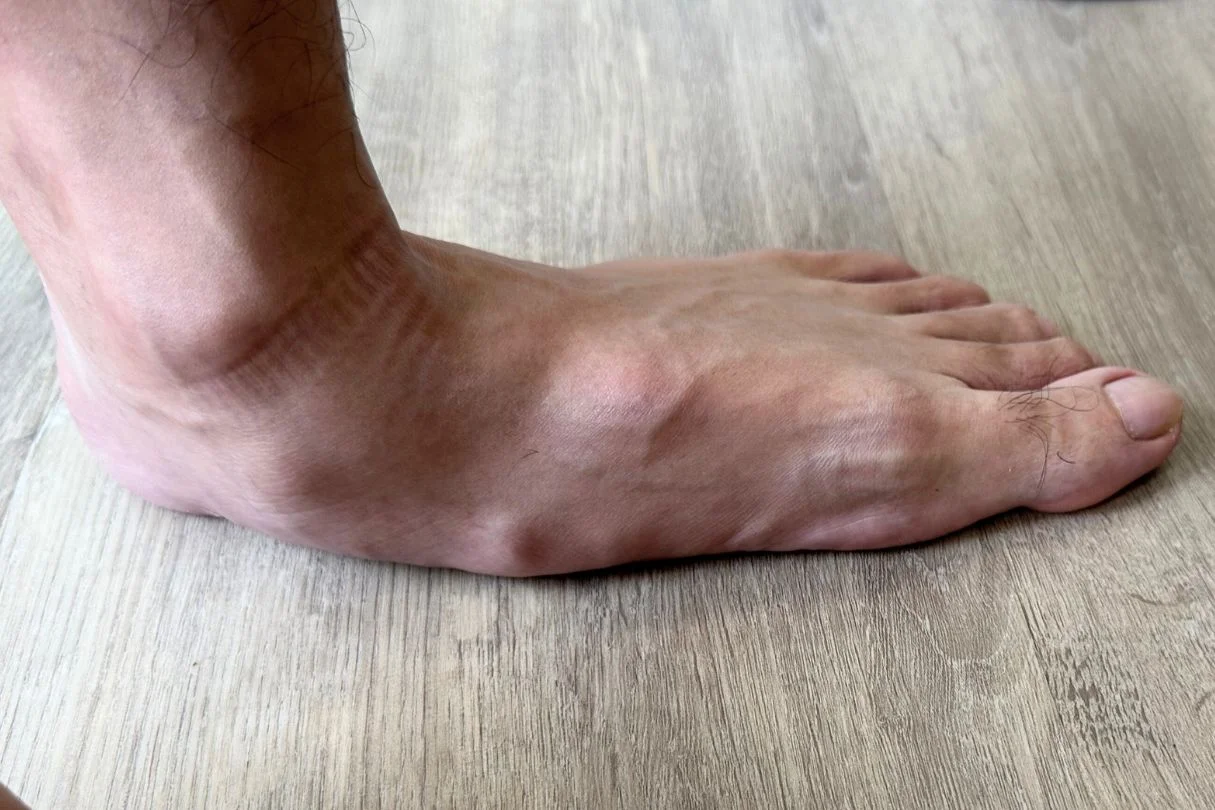
Flat feet, or medically termed as pes planus, is a condition where the arches of the feet are lower than normal or completely collapsed. In severe cases, the entire sole of the foot will completely touch the ground. Although many people with flat feet experience no symptoms, others may face significant discomfort and long-term complications. Flat feet with symptoms typically warrant treatment to manage the pain and prevent further complications.
Flat feet occur when the foot arch either does not develop properly or collapses over time. It is a common foot deformity condition seen in Asian countries. Flat feet in children (paediatric pes planus), especially infants and toddlers, can be normal as the arches typically develop during childhood. However, flat feet that persist into adulthood or develop later in life can lead to various foot and lower limb problems, including pain, fatigue, and difficulty walking.
Achilles Tendonitis Symptoms, Causes, and Management
You head out for a jog or climb a flight of stairs, and a dull ache starts to rise at the back of your ankle. Instead of fading, it lingers after activity, and even the simple act of standing on tiptoe can set it off again. It’s no coincidence that the phrase “Achilles heel” has come to mean a point of weakness, since this tendon, though built for strength, often becomes the body’s most fragile link. Because of this, the condition is commonly described as Achilles tendonitis or tendinitis, and in medical settings you might also hear the term tendinopathy, which is a blanket term for conditions affecting the tendon — tendinitis, tendinosis and tenosynovitis.
Since the tendon is engaged in every step, even routine movements can add to the strain. A sharp increase in running, long hours on unforgiving ground, stiff calf muscles, or shoes that lack proper support all place extra load on it. As these stresses repeat, the tendon fibres slowly lose their natural resilience, leaving the ankle in pain, especially after rest.
Because this process builds gradually, it’s best not to ignore persistent aches. A careful assessment can confirm whether the Achilles tendon is truly the source and rule out other causes. From there, a podiatrist can guide you with a plan that considers your activity levels, choice of footwear, and movement patterns, helping you manage the condition safely. With this context in place, it’s time to look closely at the symptoms of Achilles tendonitis.
Plantar Fasciitis Symptoms, Causes, and Management
You swing your feet out of bed and a sharp jab under the heel stops you. In those first steps of the morning at home you feel it bite, and worry sets in as you wonder what kind of treatment to seek to alleviate the discomfort. Because heel pain has many causes, one possibility is irritation of the plantar fascia, the strong band that supports the arch.
To make sense of it, consider what loads this tissue. In particular, common heel pain causes include a sudden rise in activity, long hours on hard floors, tight calf muscles, and foot mechanics that strain the arch. As a result, when the plantar fascia is irritated, the first step after rest often feels especially sharp.
Given these patterns, it’s sensible to seek a clear assessment rather than guess. A podiatrist can review your foot mechanics, training load and footwear, then tailor a care plan that fits your goals and routine. But first, let us look at the symptoms of plantar fasciitis.
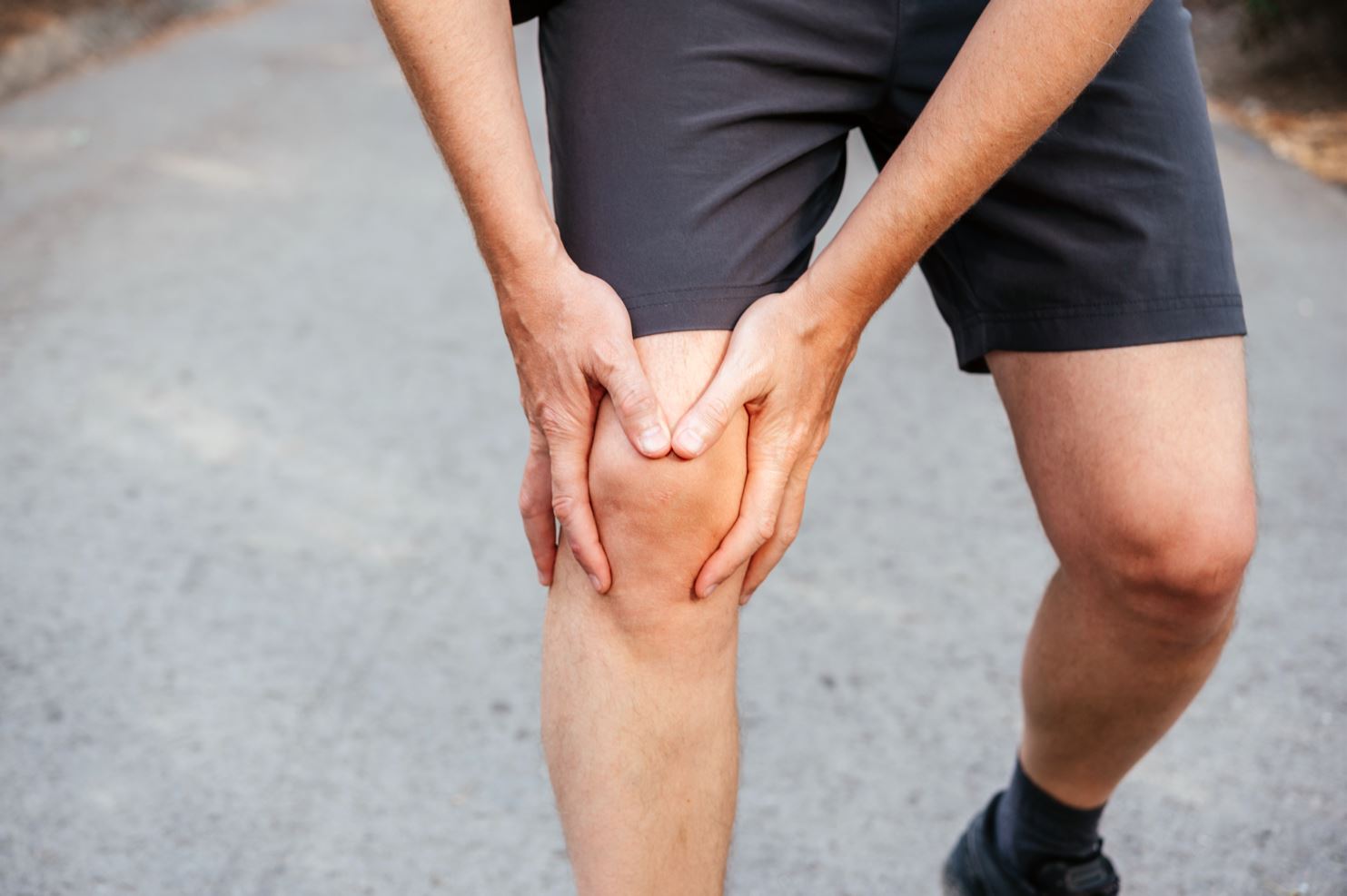
Runner’s knee, medically termed Patellofemoral Pain Syndrome or Chondromalacia Patella, is a common condition that causes knee pain around or deep to the kneecap. It is an overuse injury due to repetitive stress that occurs in the joint between the kneecap and the thigh bone. This condition can occur at any age but frequently affects the younger population, especially females or active individuals who run, jump or perform squats frequently. If left untreated, this condition can potentially result in kneeosteoarthritis.